
A random collection of insects I happen to cross on my road.
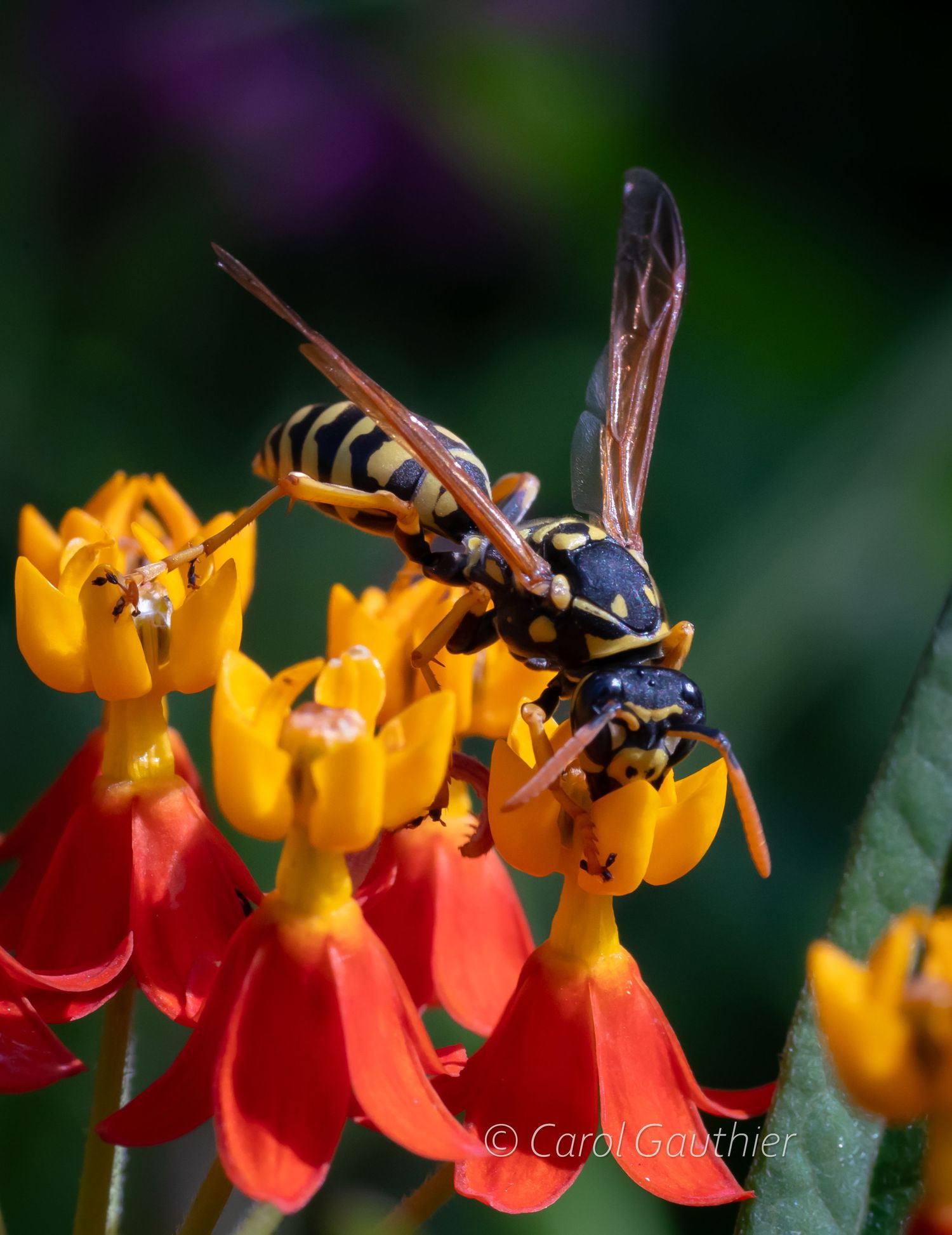
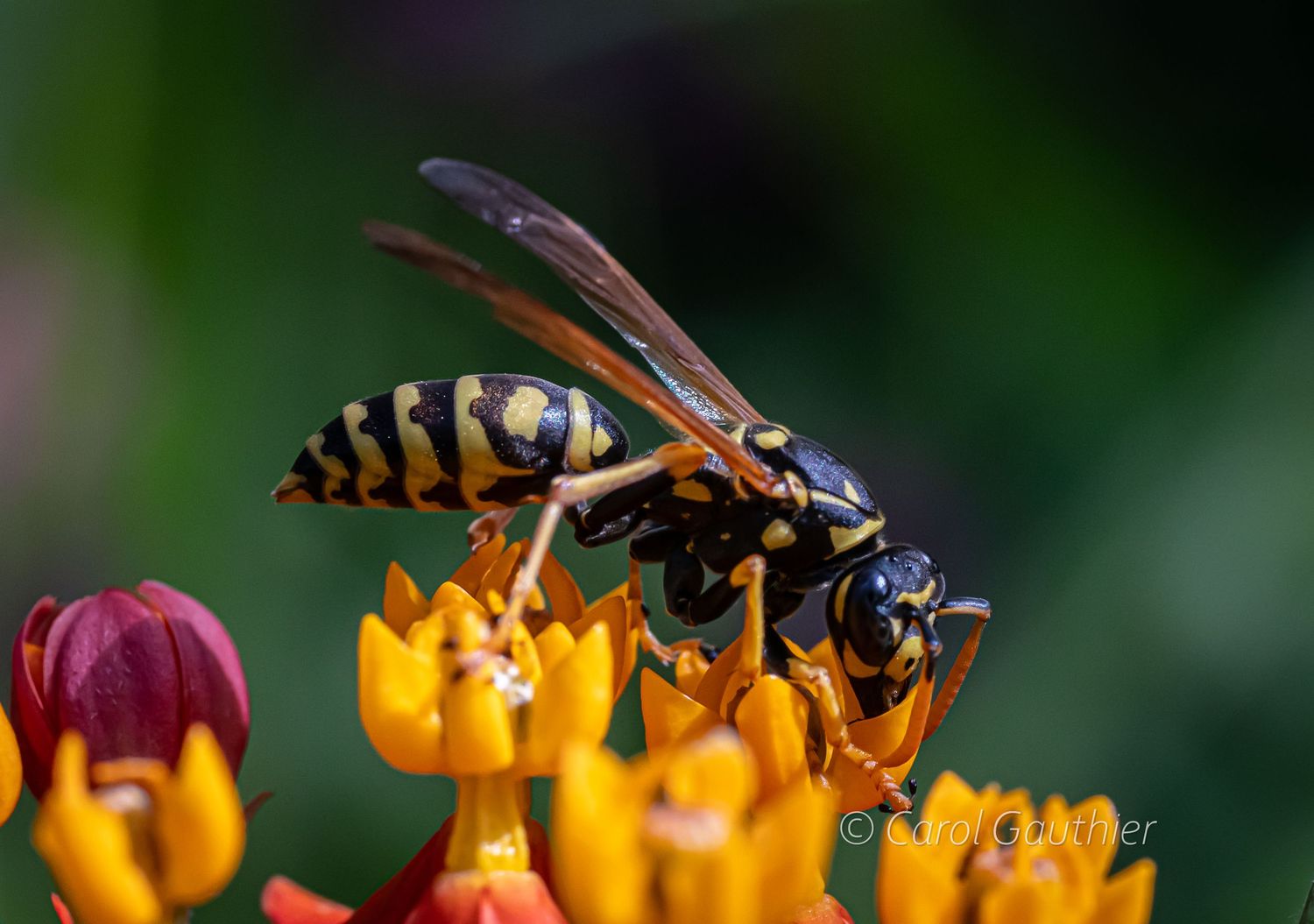
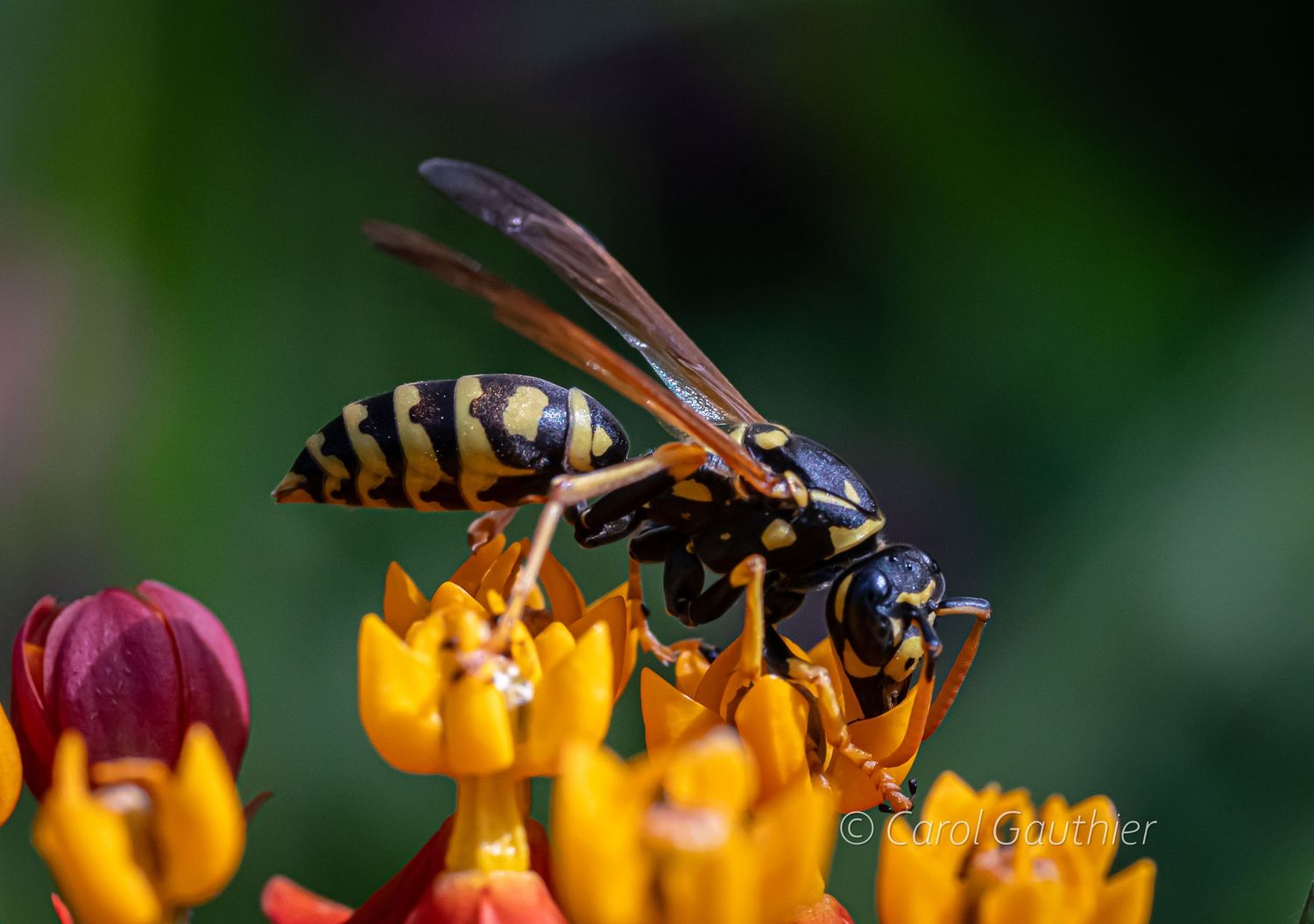
European Paper Wasp
American Paper Wasps easily recognized by the dangling legs in their flight signature and the open, and make umbrella-shaped paper nests they weave from chewed wood fibers. These yellow-striped wasps are both beneficial pest hunters, gathering caterpillars to feed their larvae, and minor pollinators hovering. Distinctly less aggressive, they generally ignore nearby human observers unless their nest is directly threatened, making them accessible subjects for close-up wildlife photography.
Photos were shot in Sherbrooke, Quebec, Canada.
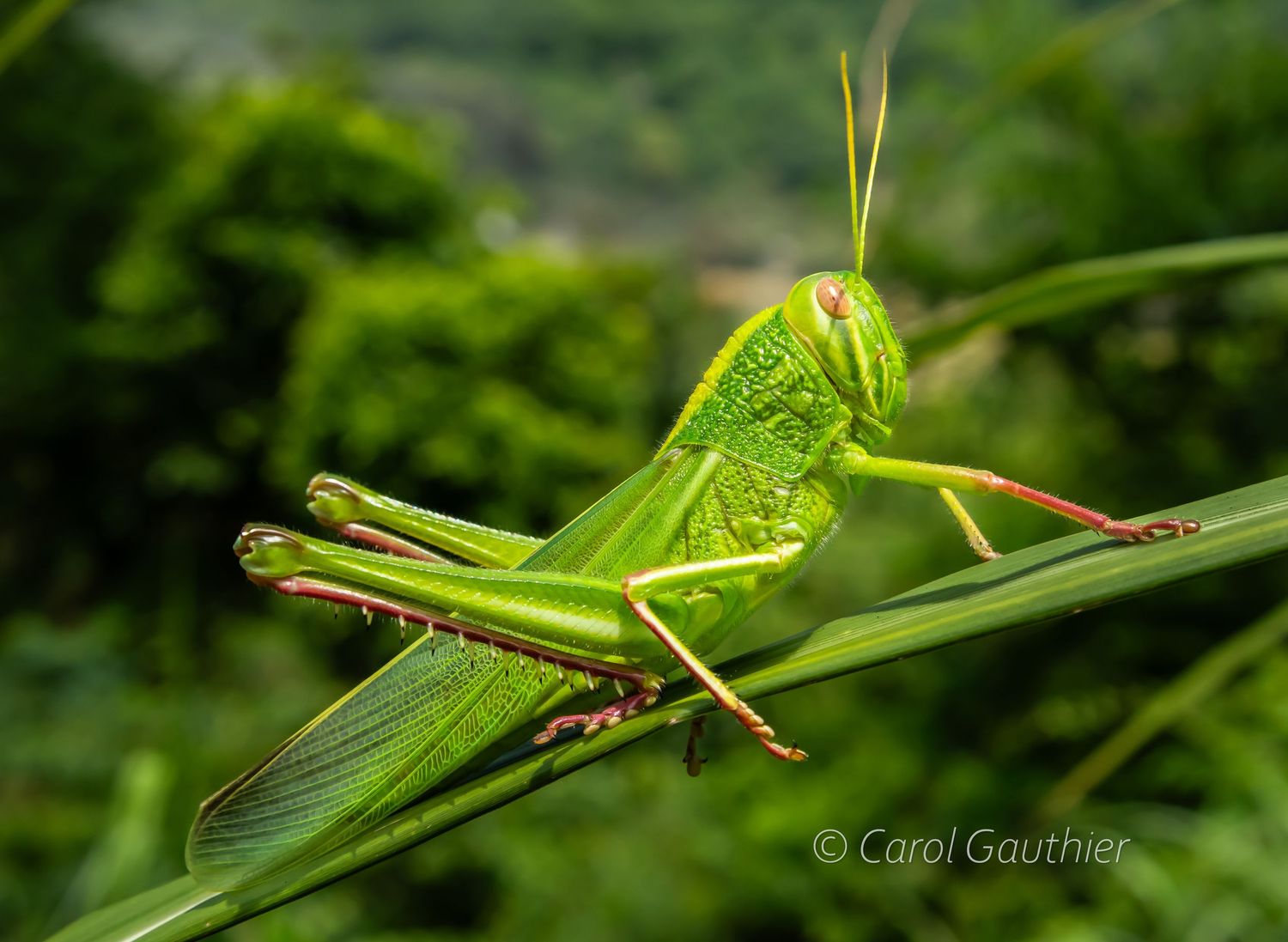
Large Green Grasshopper (Chondracris rosea)
The Large Green Grasshopper or Citrus Locust (Chondracris rosea) is a large grasshopper species native to East, South, and Southeast Asia, including regions like Vietnam, southern China, and India. Adult females are exceptionally large, often reaching 8 to 10 cm in length, while males are slightly smaller. Inhabiting shrublands, forest edges, and grasslands, this herbivorous species feeds on a wide variety of broadleaf plants, trees, and crops. While it is sometimes treated as an agricultural pest for damaging citrus, sugarcane, and cotton, it is also harvested as a protein-rich edible insect in parts of its native range. The photo was taken in the Ban Gioc region, North of Vietnam.
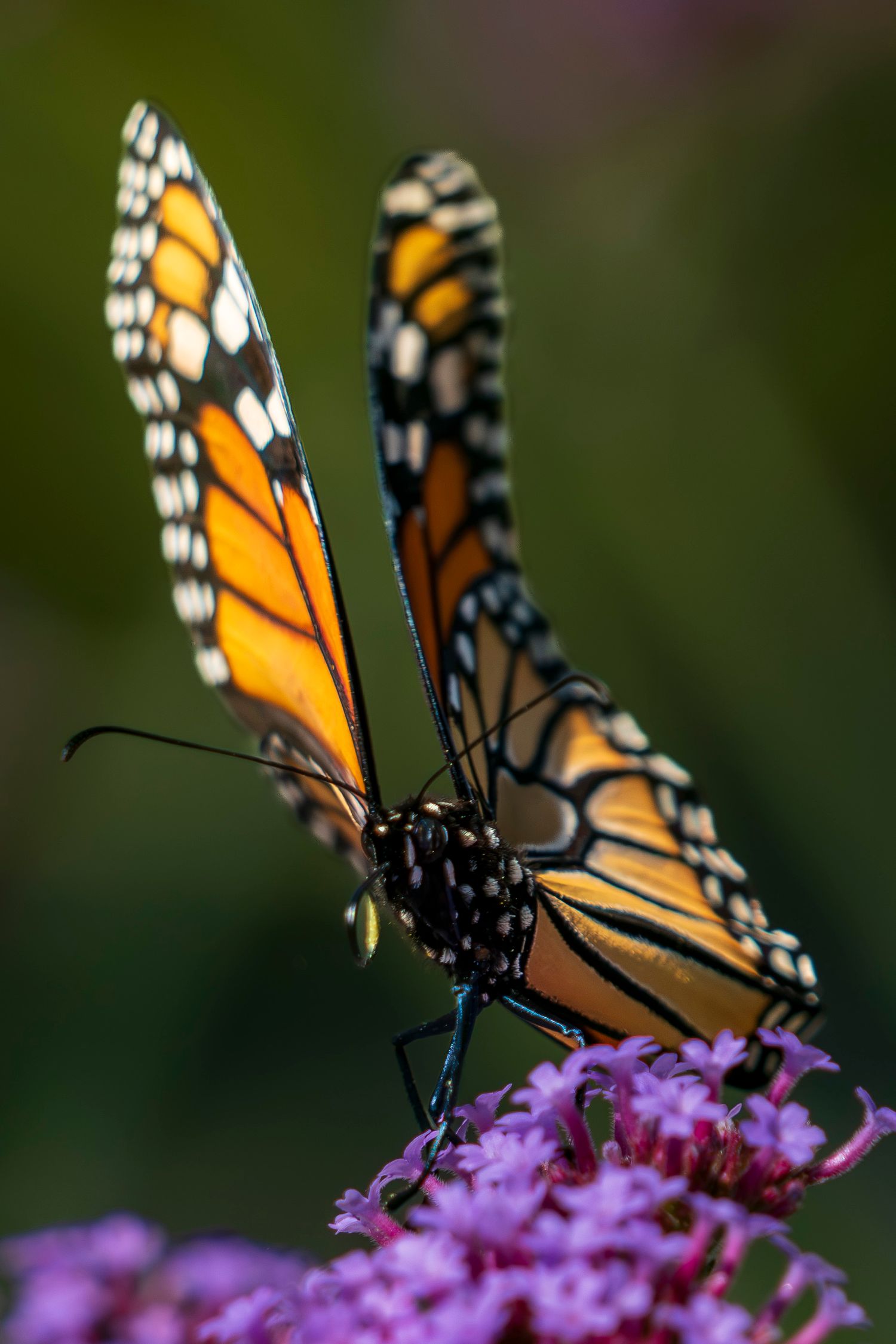
Eastern Monarch Butterfly
An Eastern Monarch Butterfly (Danaus plexippus) shot in Knowlton in the south of Quebec province, Canada. The Monarch is an iconic insect renowned for its striking deep orange wings patterned with thick black veins and white-spotted margins. With a wingspan of 9 to 10 cm, it relies entirely on milkweed plants (Asclepias) as a host during its caterpillar stage, which coats the butterfly with toxic cardenolides to deter predators.
In late spring, successive generations reach Quebec to breed across meadows, gardens, and along the St. Lawrence Valley. By late August and September, a unique "super generation" emerges in southern Quebec; unlike their short-lived summer ancestors, these butterflies delay reproduction to conserve energy. Taking flight from Quebec's fields and shorelines, they navigate south-southwest across North America, completing an extraordinary ~4,000 km journey to overwinter in the high-altitude Oyamel fir forests of central Mexico.
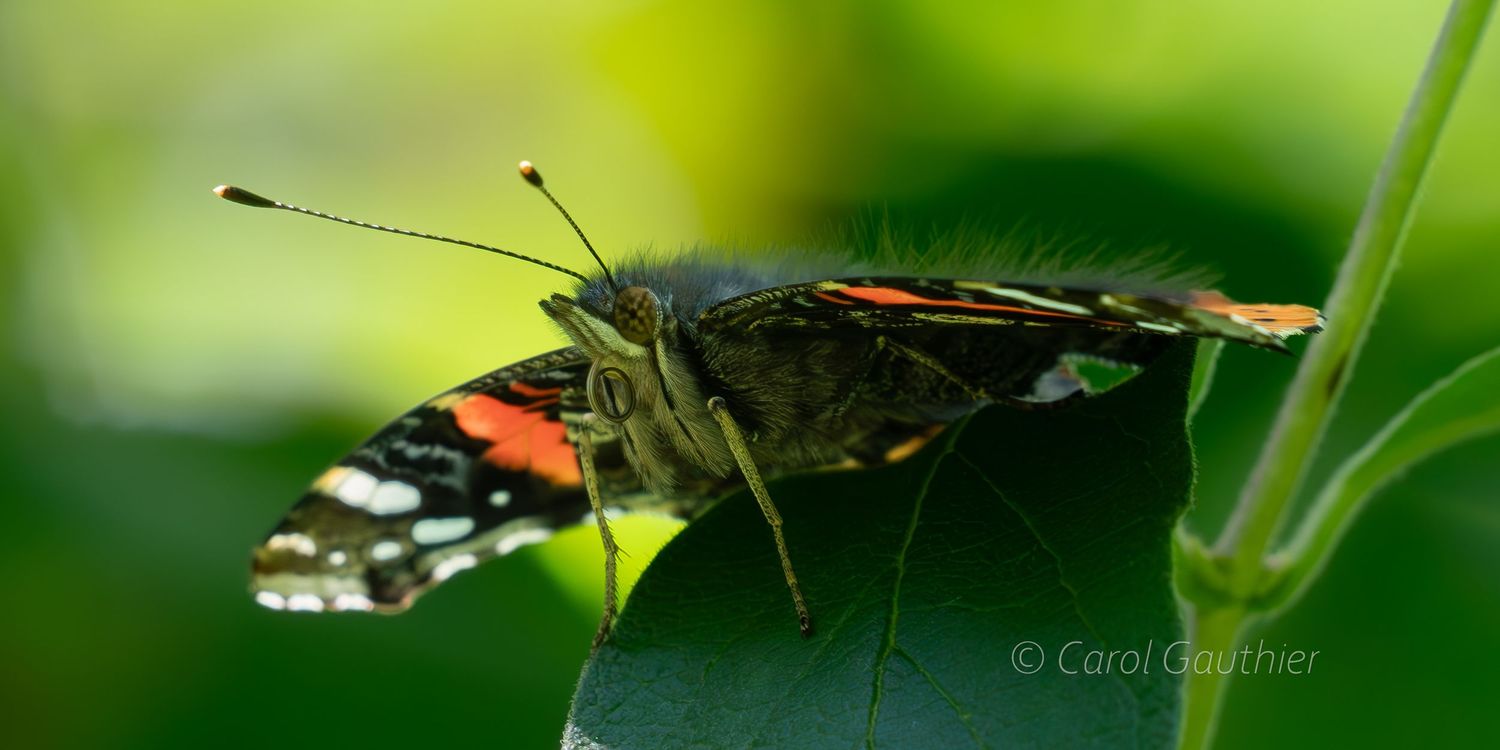
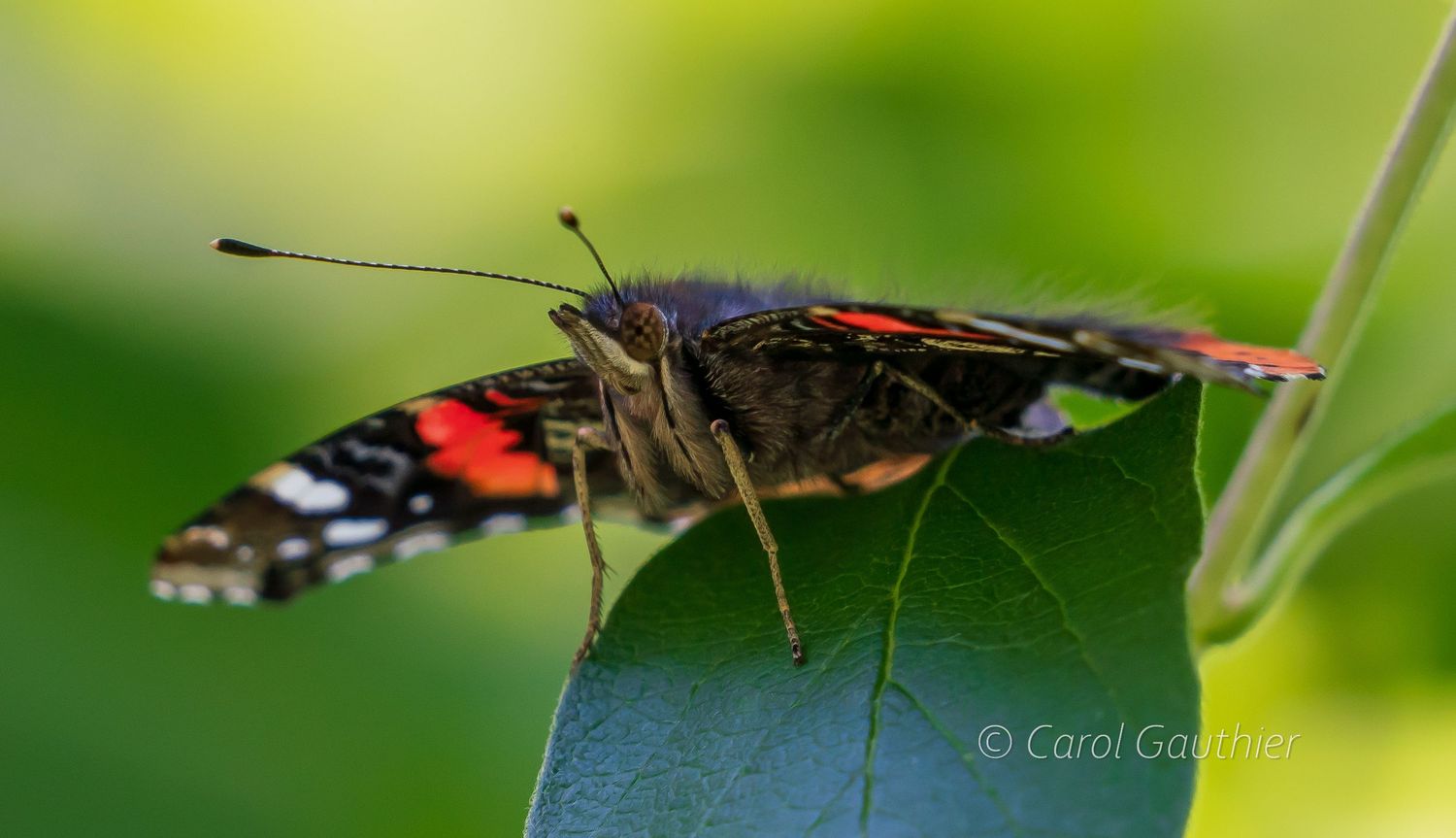
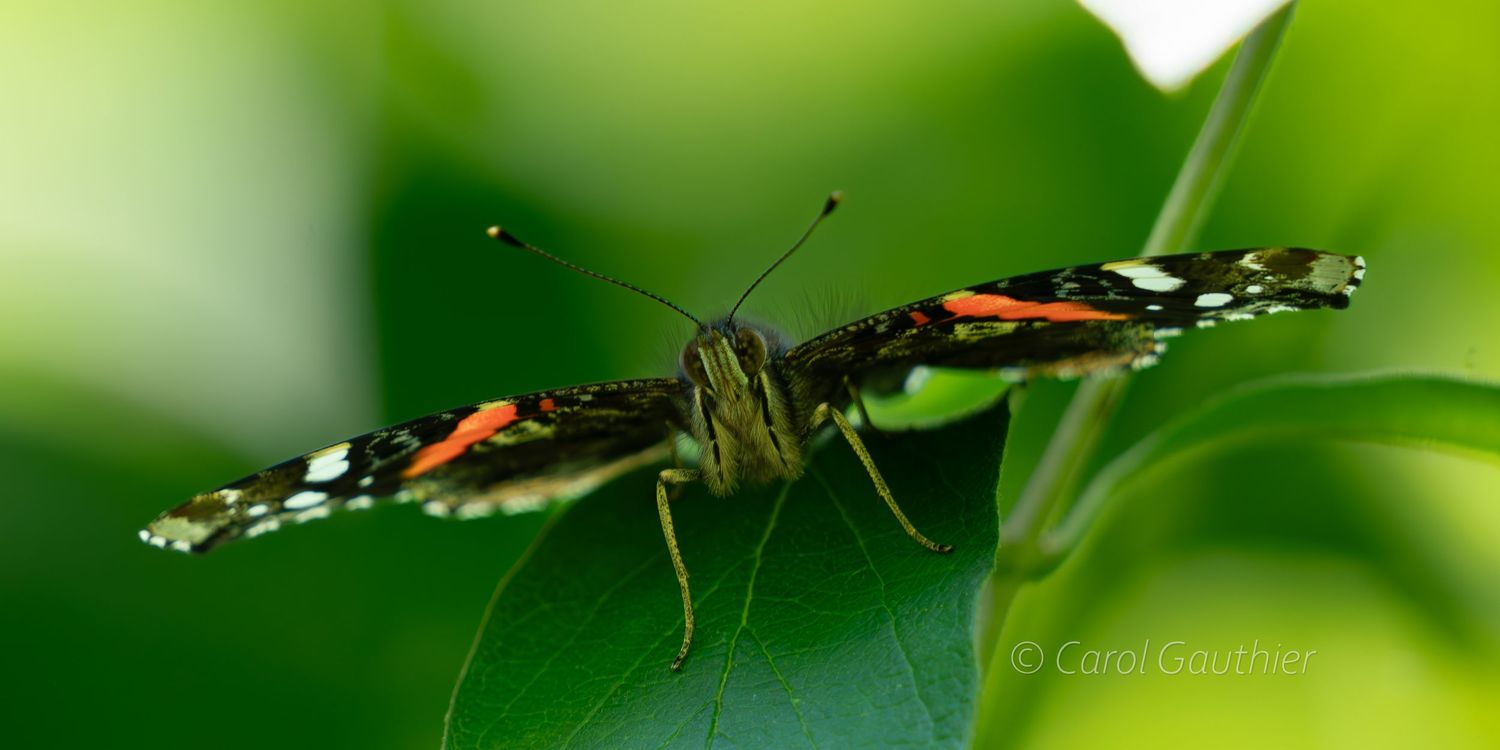
The Red Admiral butterfly
The Red Admiral (Vanessa atalanta), or Vulcain in French, is a widespread butterfly found across North America, including Quebec. Easily recognized by its velvety dark wings framed by bright reddish-orange bands and white apical spots. Unlike many native butterflies, it is a migratory species that travels north each spring from the southern United States and Mexico to breed throughout Canada. Known for its strong, erratic flight pattern, this resilient and colorful insect remains one of the most recognizable butterfly species in Eastern Canada. Photos were shot in Lennoxville, Quebec, Canada.
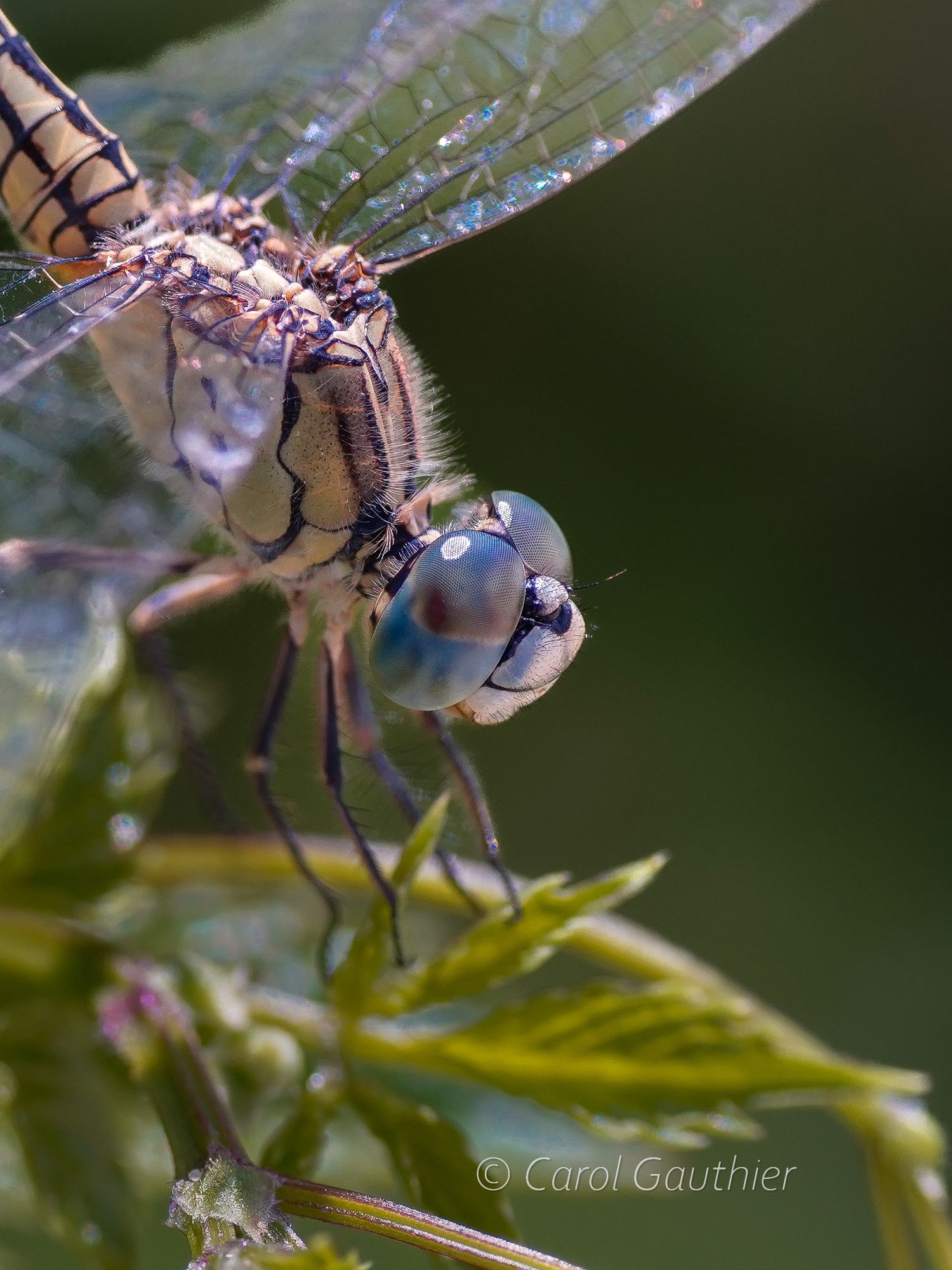
Slender Skimmer Dragonfly
Photography shot in the city of Cao Bang, North of Vietnam.