
A random collection of birds I happen to cross on my road.
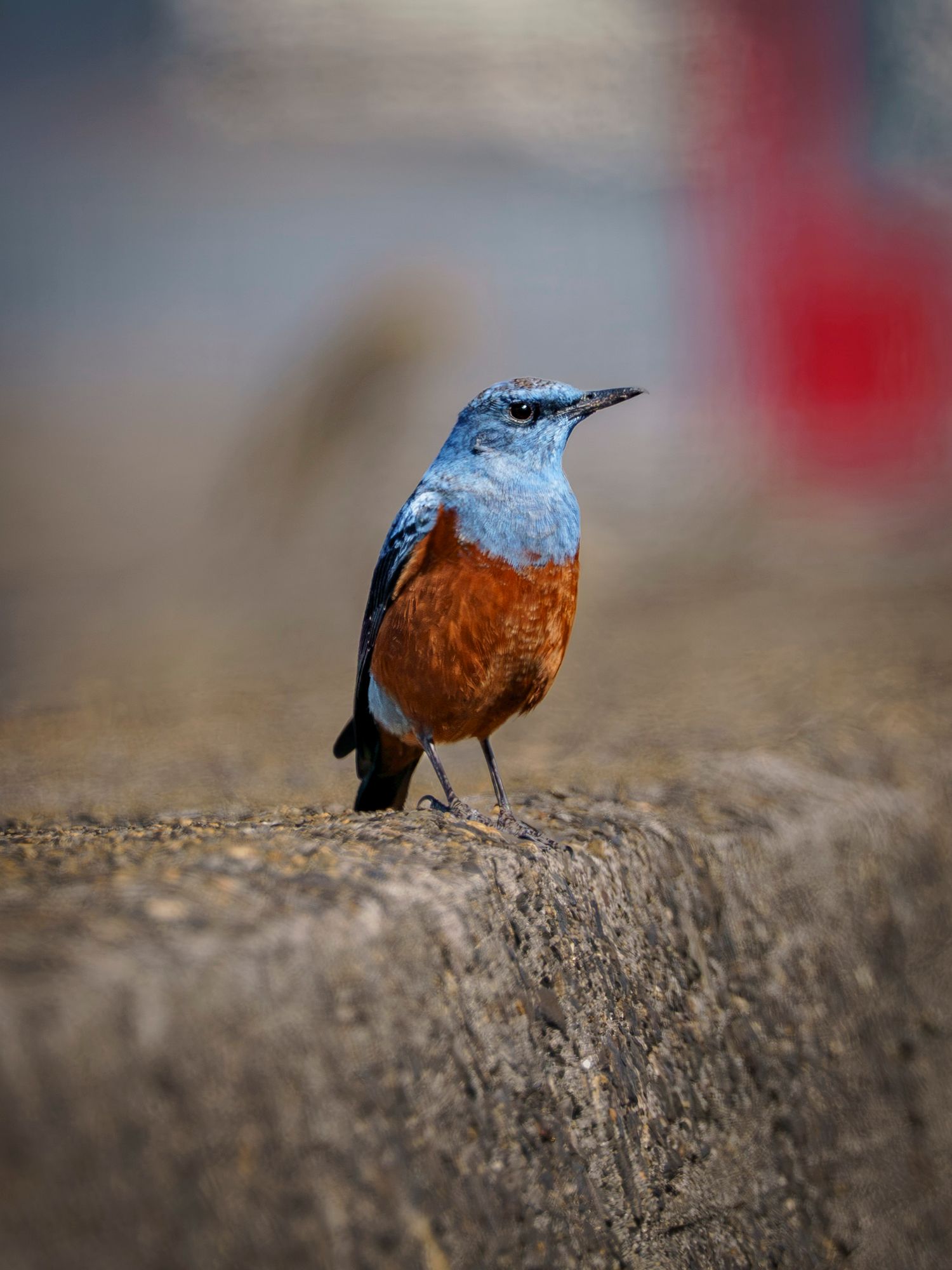
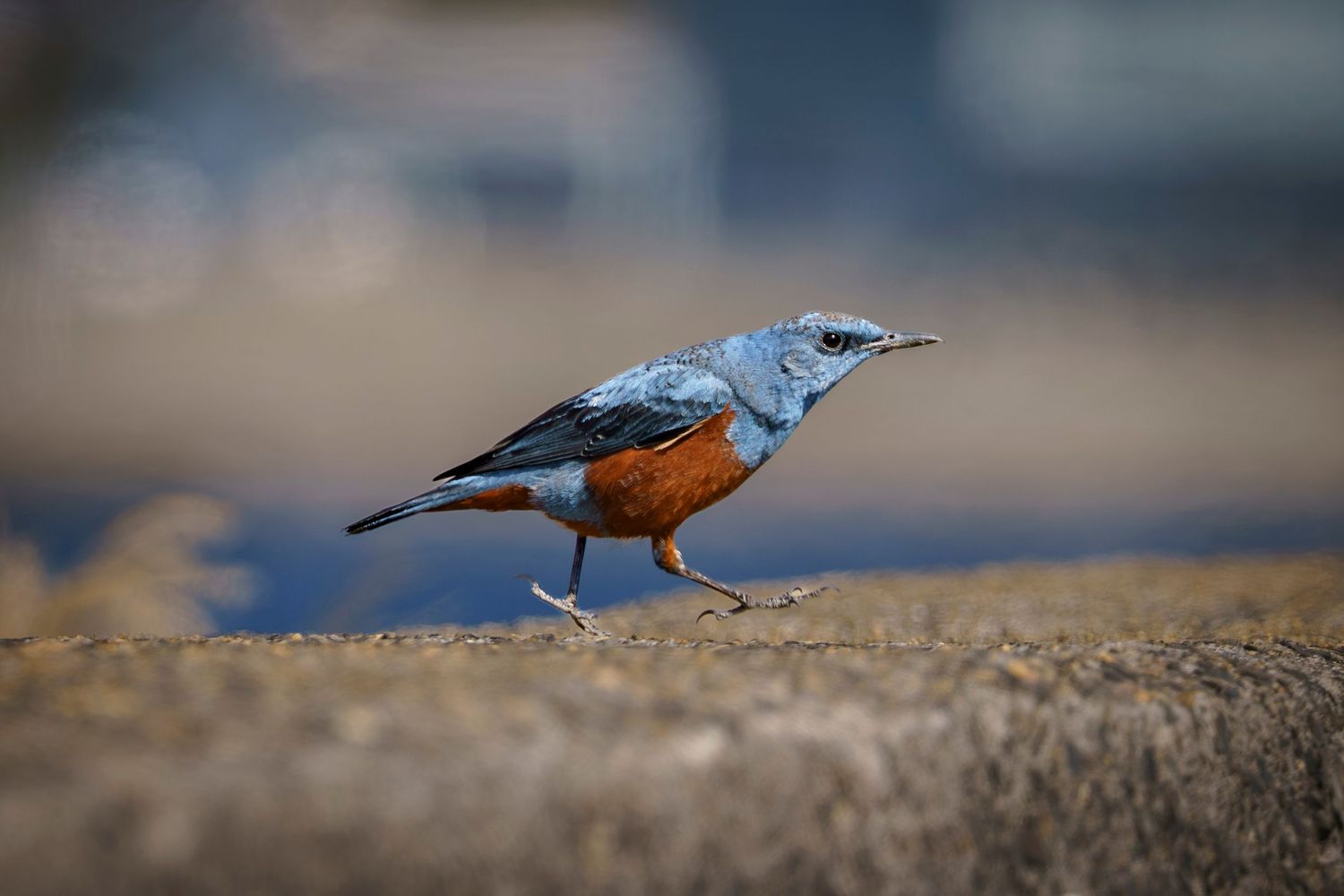
Male Blue Rock Thrush
PhotoS taken in Tarumizu, Kyushu, Japan
The Blue Rock Thrush (Monticola solitarius philippensis) found along the coastal cliffs, ports, and rooftops in Kyushu, Japan, is a striking, solitary songbird renowned for its vibrant coloration and melodious voice. Adult males display a striking contrast of deep blue-grey plumage across the head, back, and upper breast, paired with a rich rufous-chestnut belly and darker wings. Females and immatures present a far more subdued, cryptic appearance, featuring brownish-grey feathers marked by fine, scale-like patterns that provide excellent camouflage against concrete breakwaters and rocky shores.
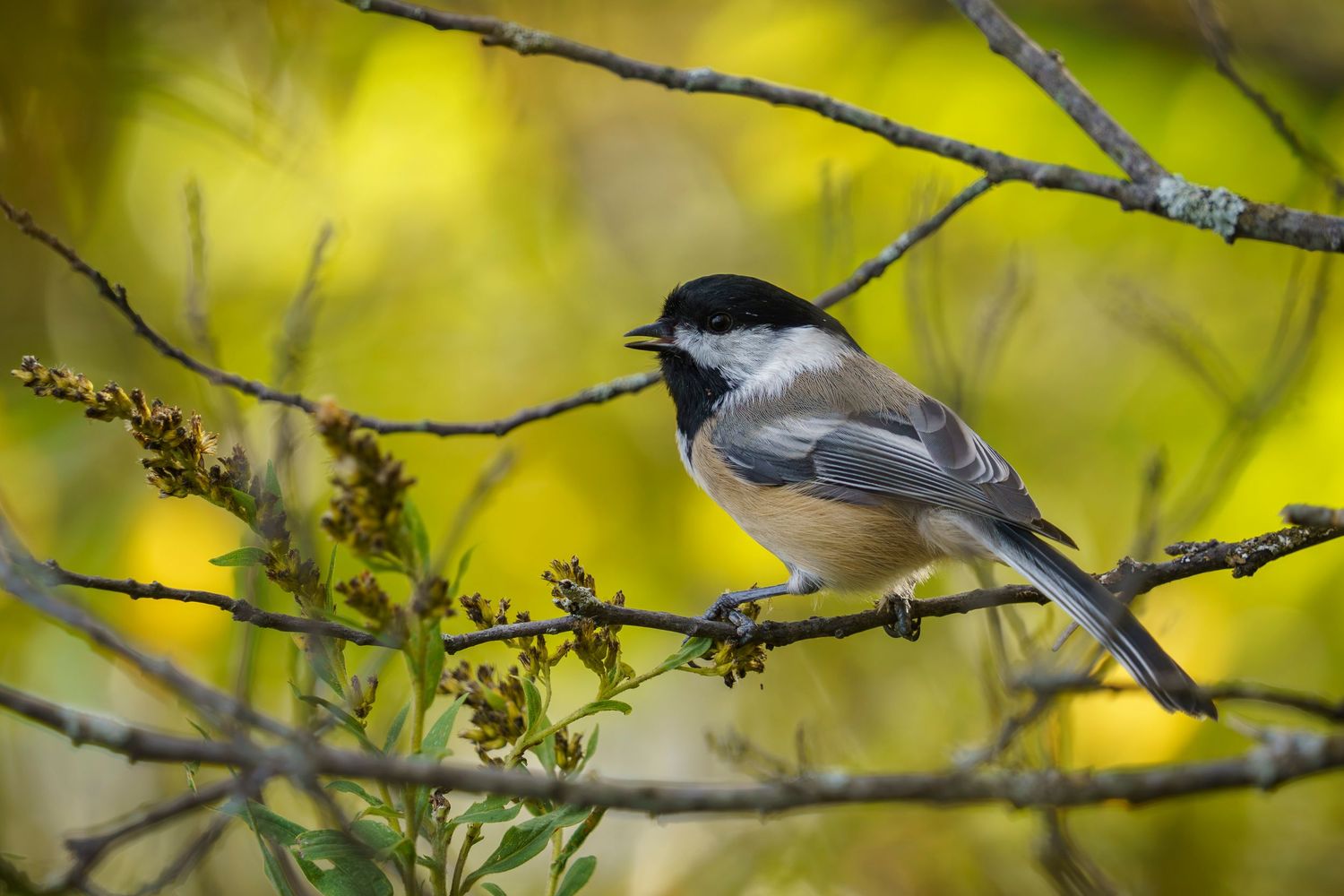
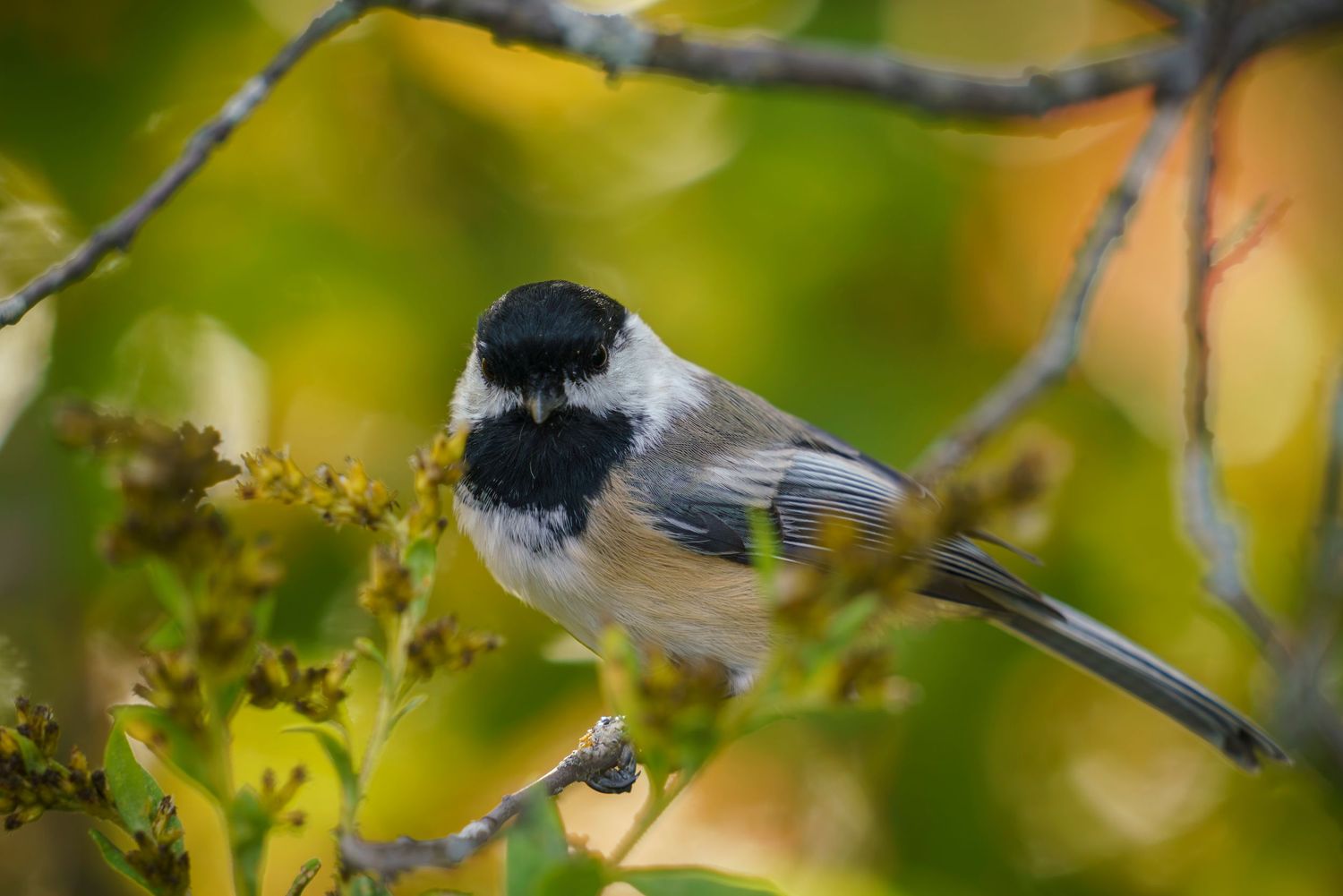
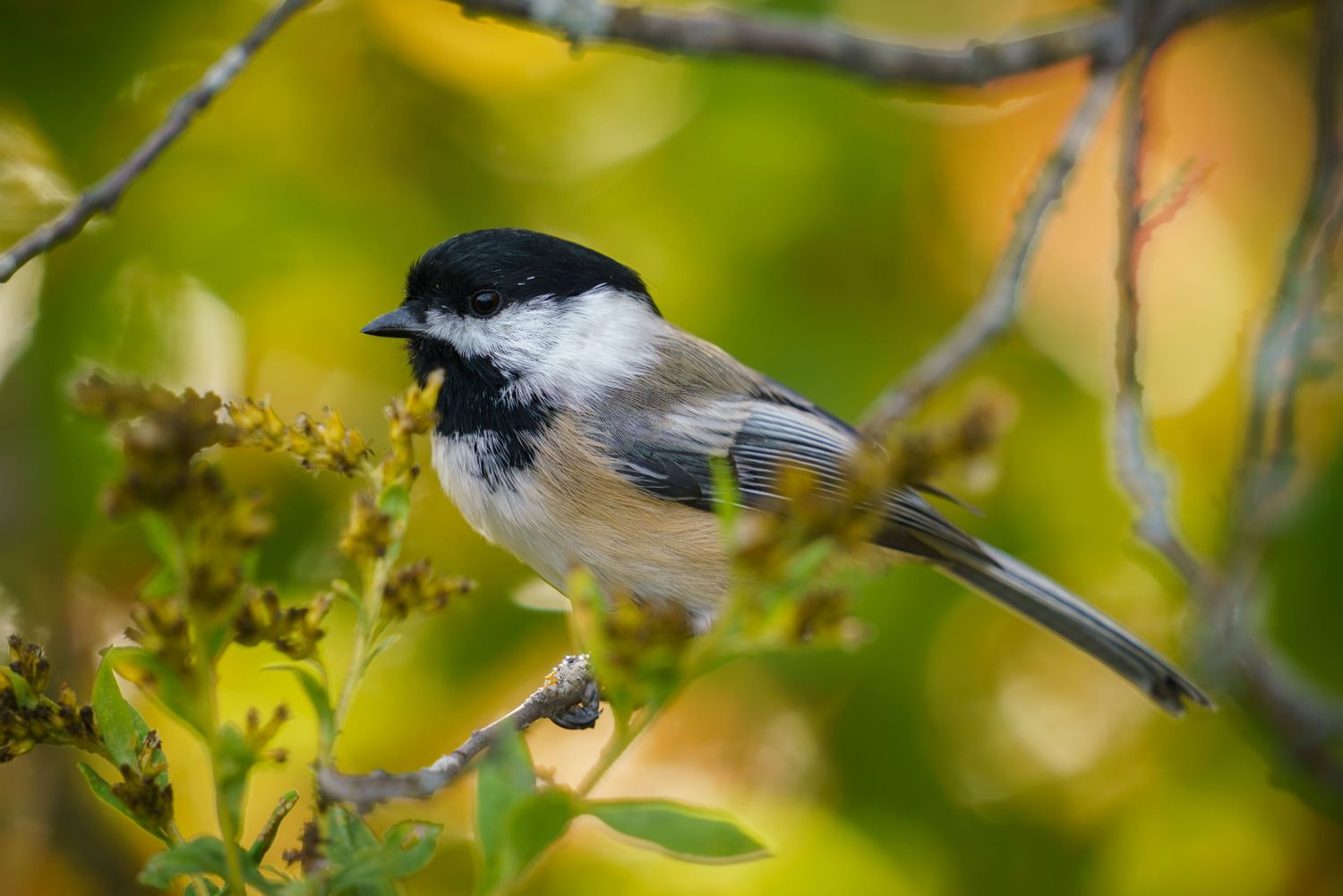
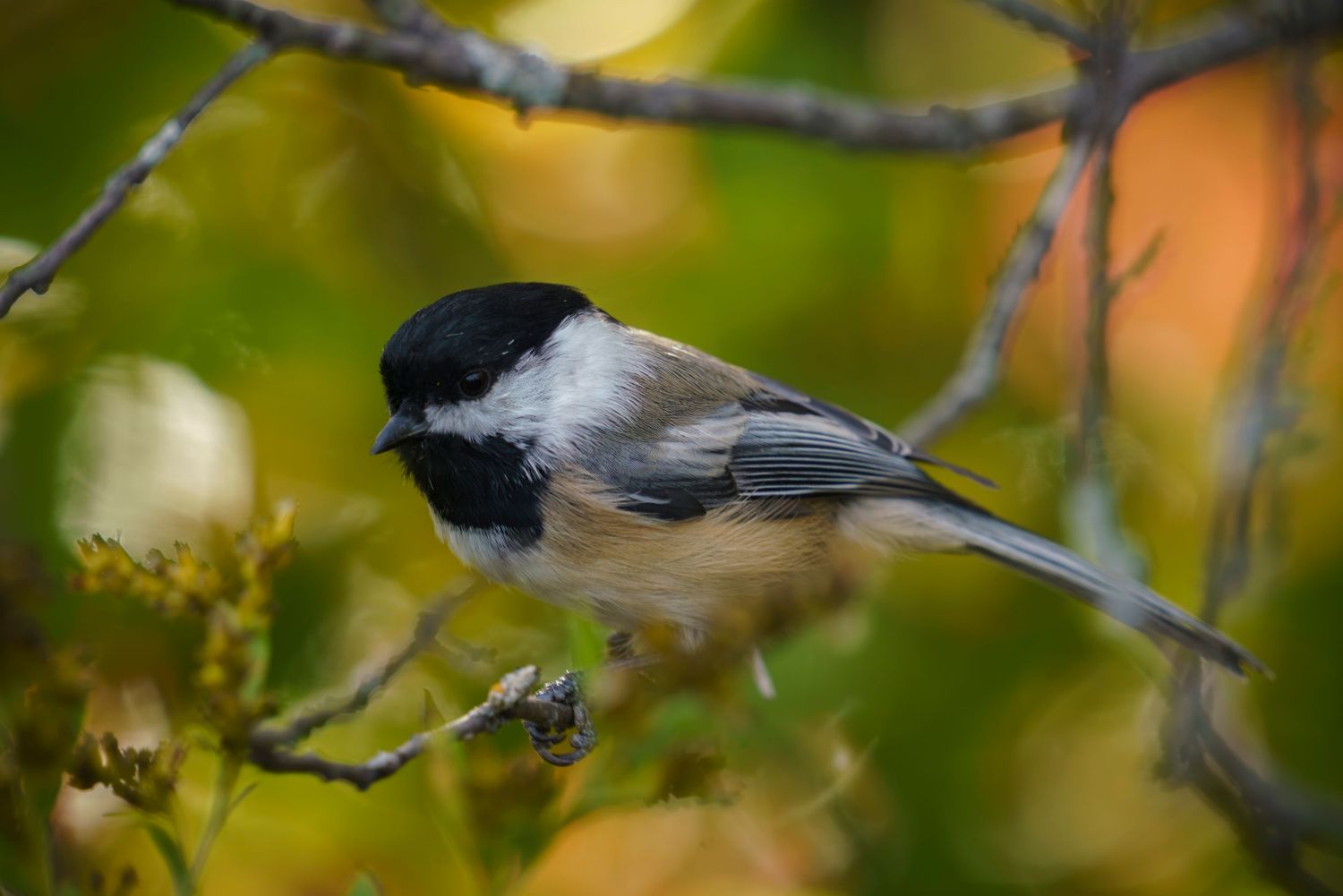
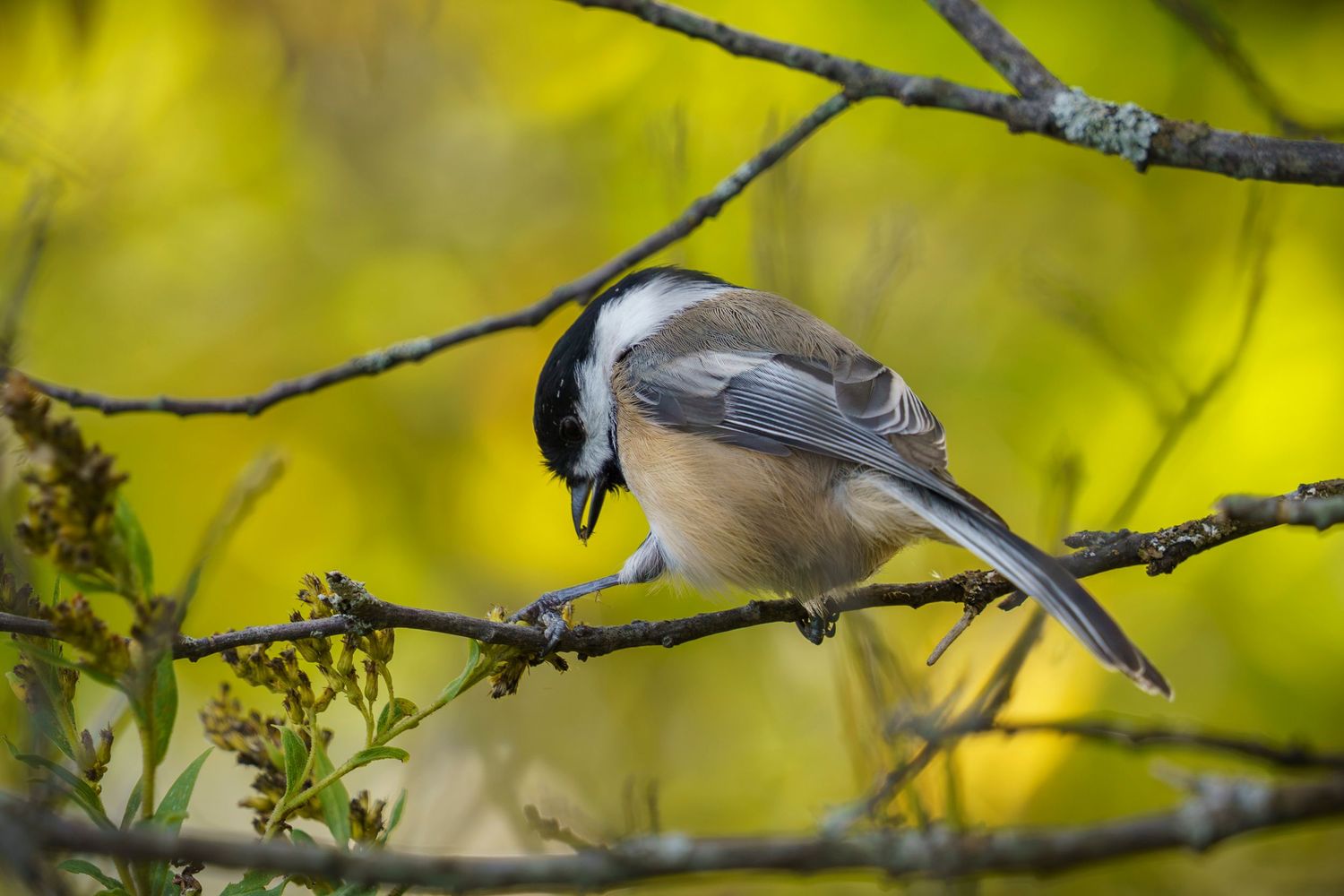
Chickadee
The chickadee is a small, round-bodied songbird instantly recognizable by its distinct black cap and bib, stark white cheeks, soft gray back, and buffy sides. These North American birds possess a short, sturdy bill ideal for probing bark and cracking open seeds or insects. They are famously curious, bold around humans, and highly social, often forming mixed-species winter flocks that communicate through a complex, cheerful vocal repertoire—most notably their namesake "chick-a-dee-dee-dee" alarm call and two-note "fee-bee" mating song.
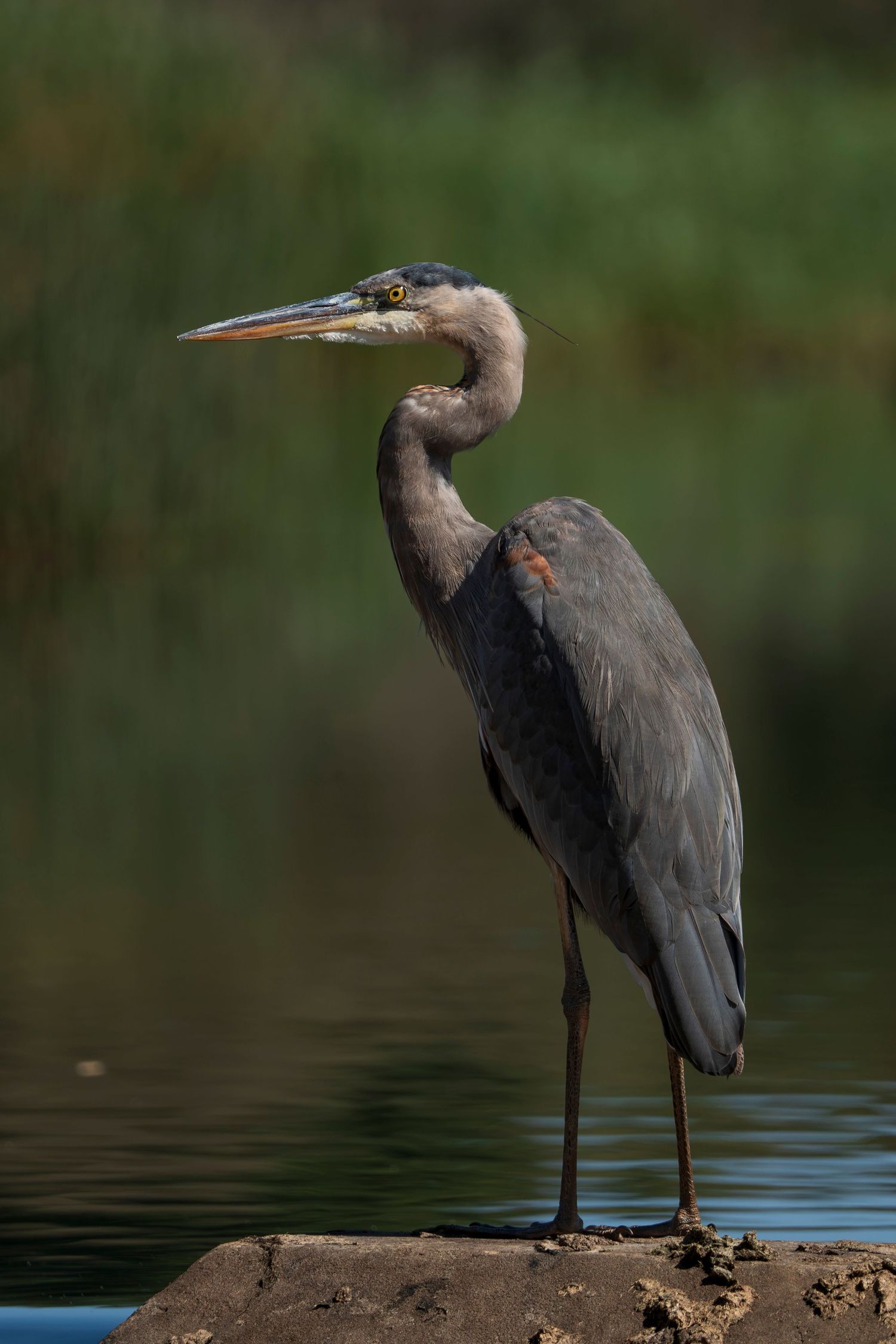
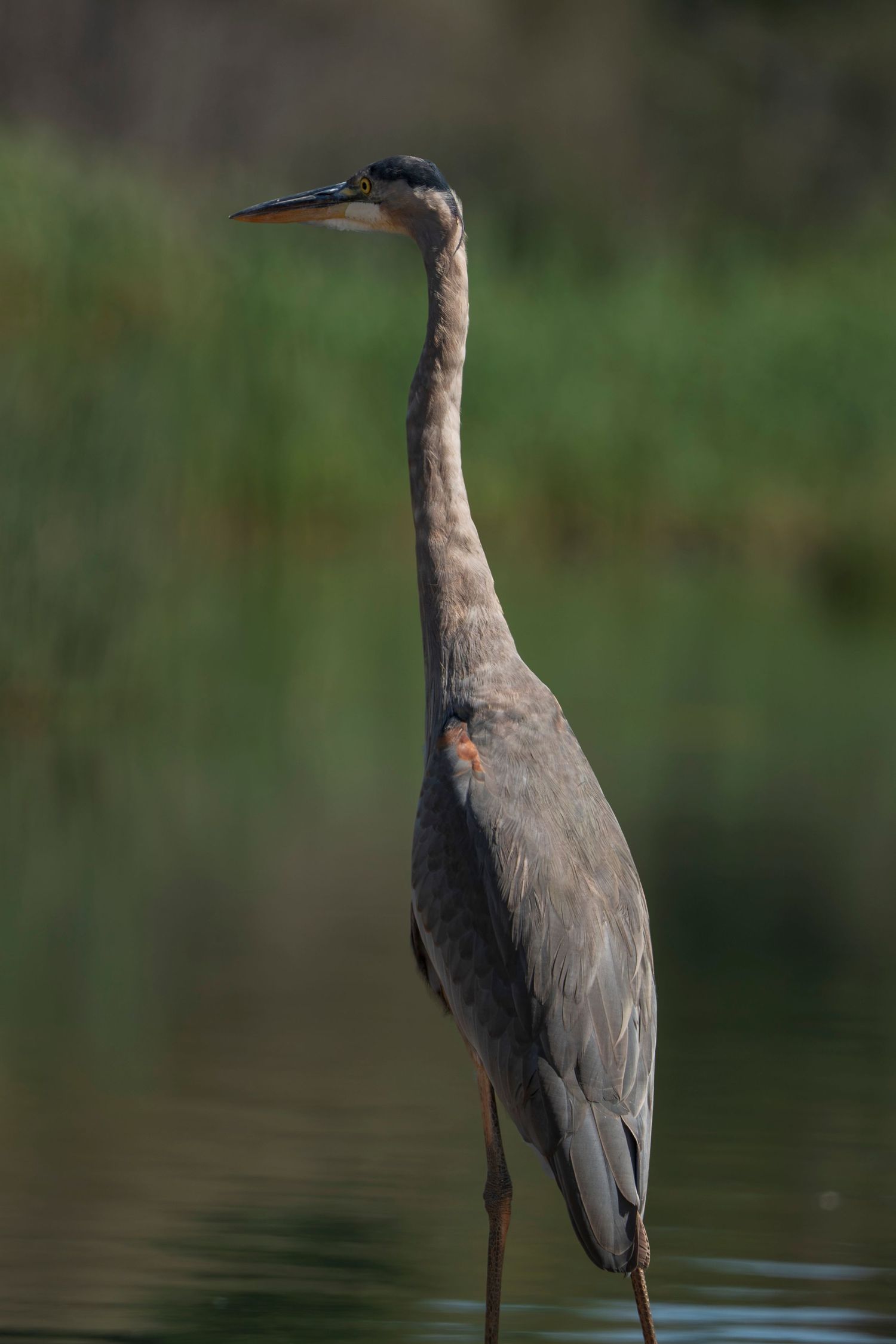
The Great Blue Heron
Knowlton, Quebec, Canada
The Great Blue Heron is Quebec's largest and most iconic wading bird, standing over a meter tall with blue-gray plumage, a long S-curved neck, and a sharp yellow bill. It inhabits shallow freshwater lakes, riverbanks, marshes, and the Saint Lawrence estuary, where it stalks fish, amphibians, and small rodents with patient precision. During the breeding season from spring to late summer, these stately birds nest in colonies called heronies high in dead trees near water bodies across southern and central Quebec. Quebec's Great Blue Herons migrate south toward warmer coastal regions in the southern United States and Central America.
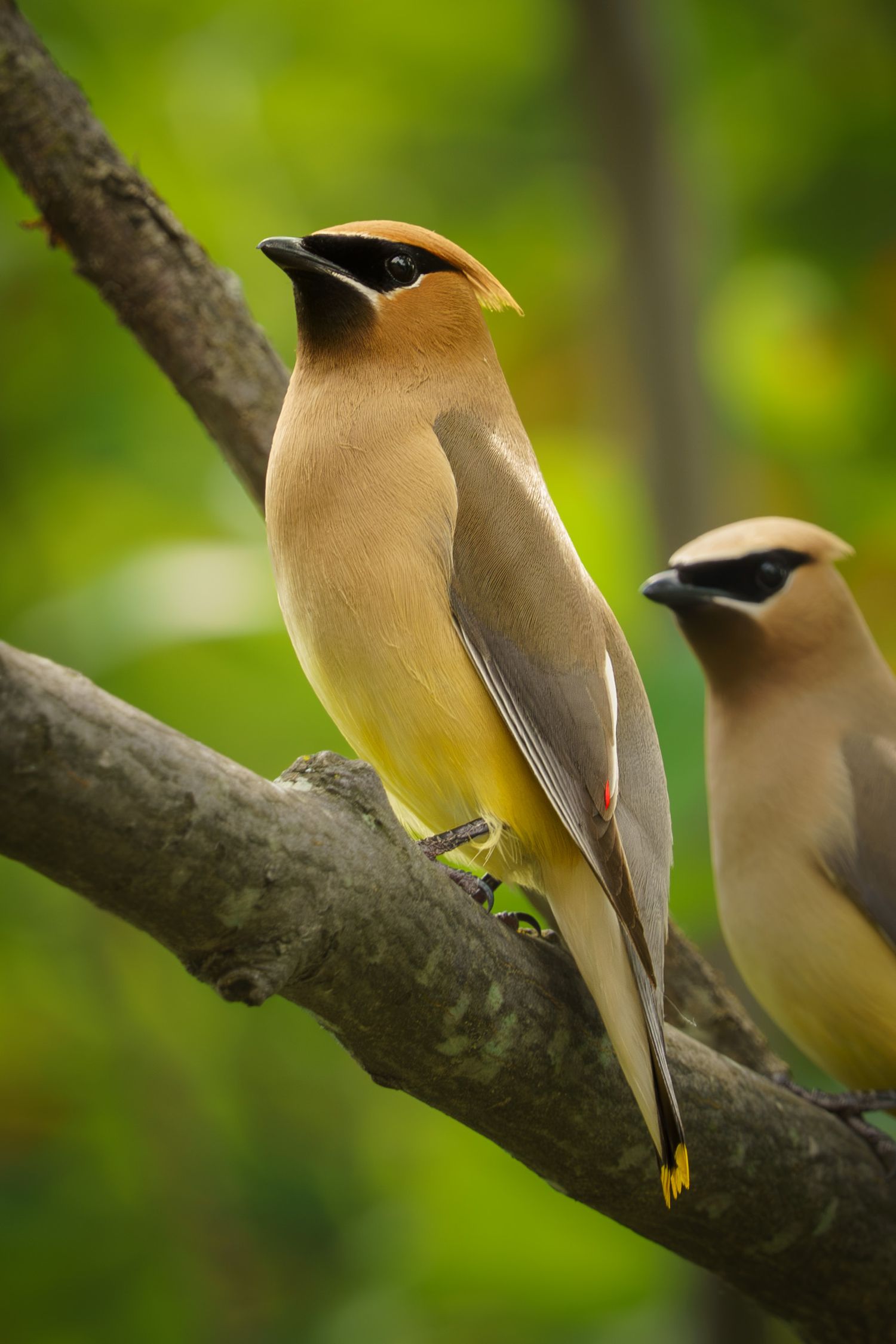
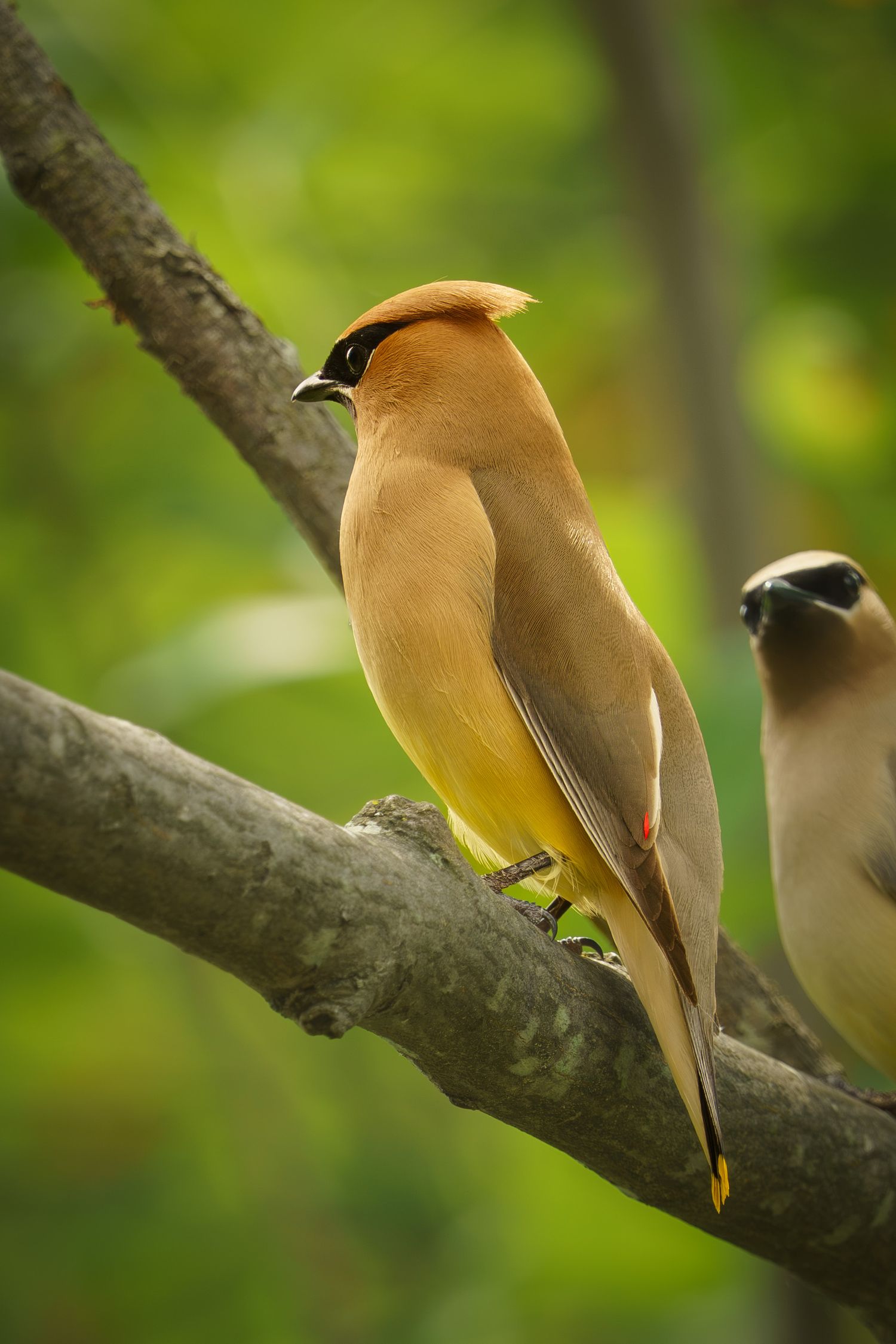
Two Cedar Waxwing visiting my property !!!
The waxwing is a sleek, exceptionally elegant songbird easily recognized by its distinctive pointed crest and silky, blended plumage. Named for the brilliant, waxy red droplets found on the tips of its secondary wing feathers, it also features a striking black facial mask and a bright yellow band at the end of its tail. These highly nomadic and social birds travel in large, tight flocks, constantly on the move in search of their primary food source: sugary fruits and berries.
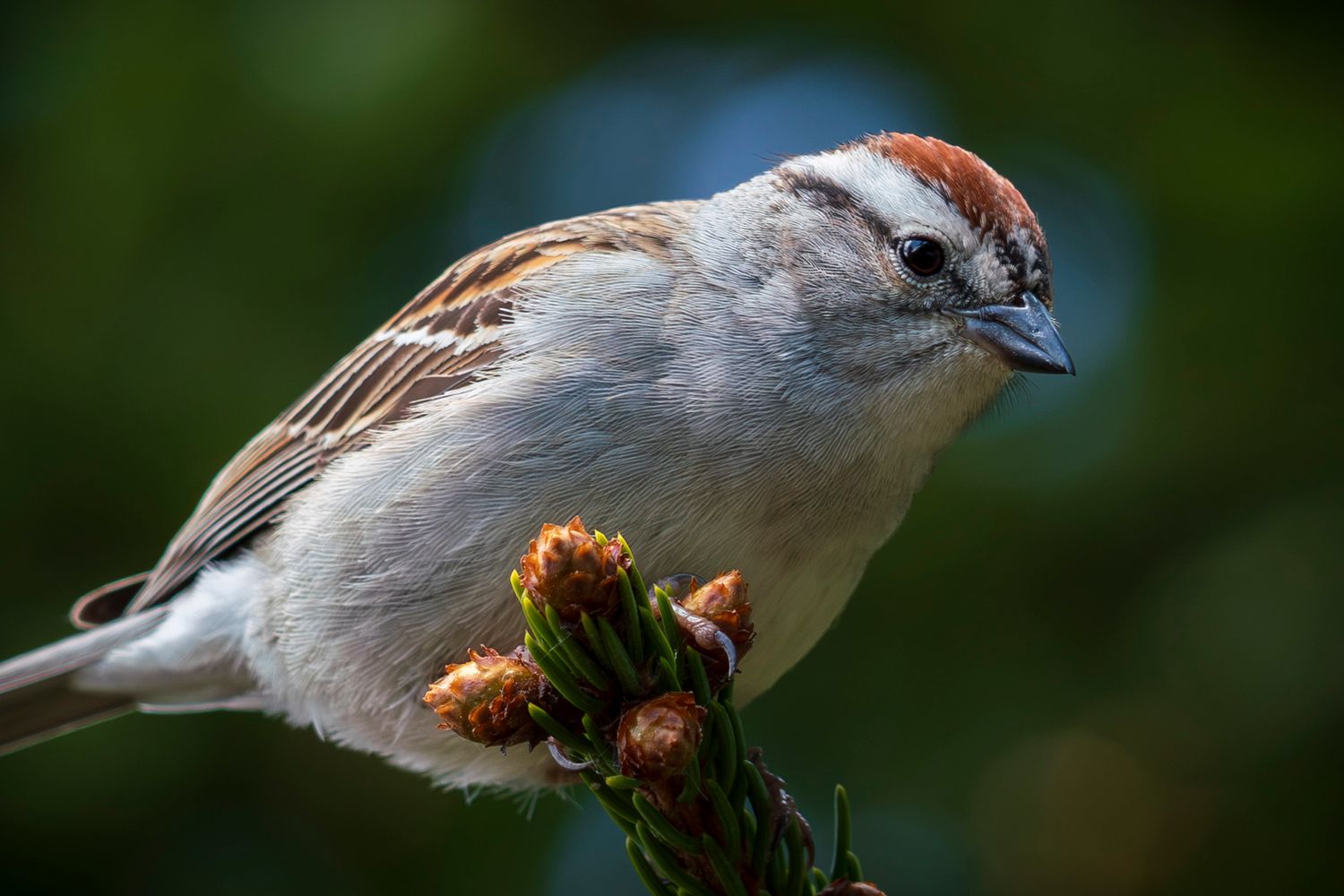
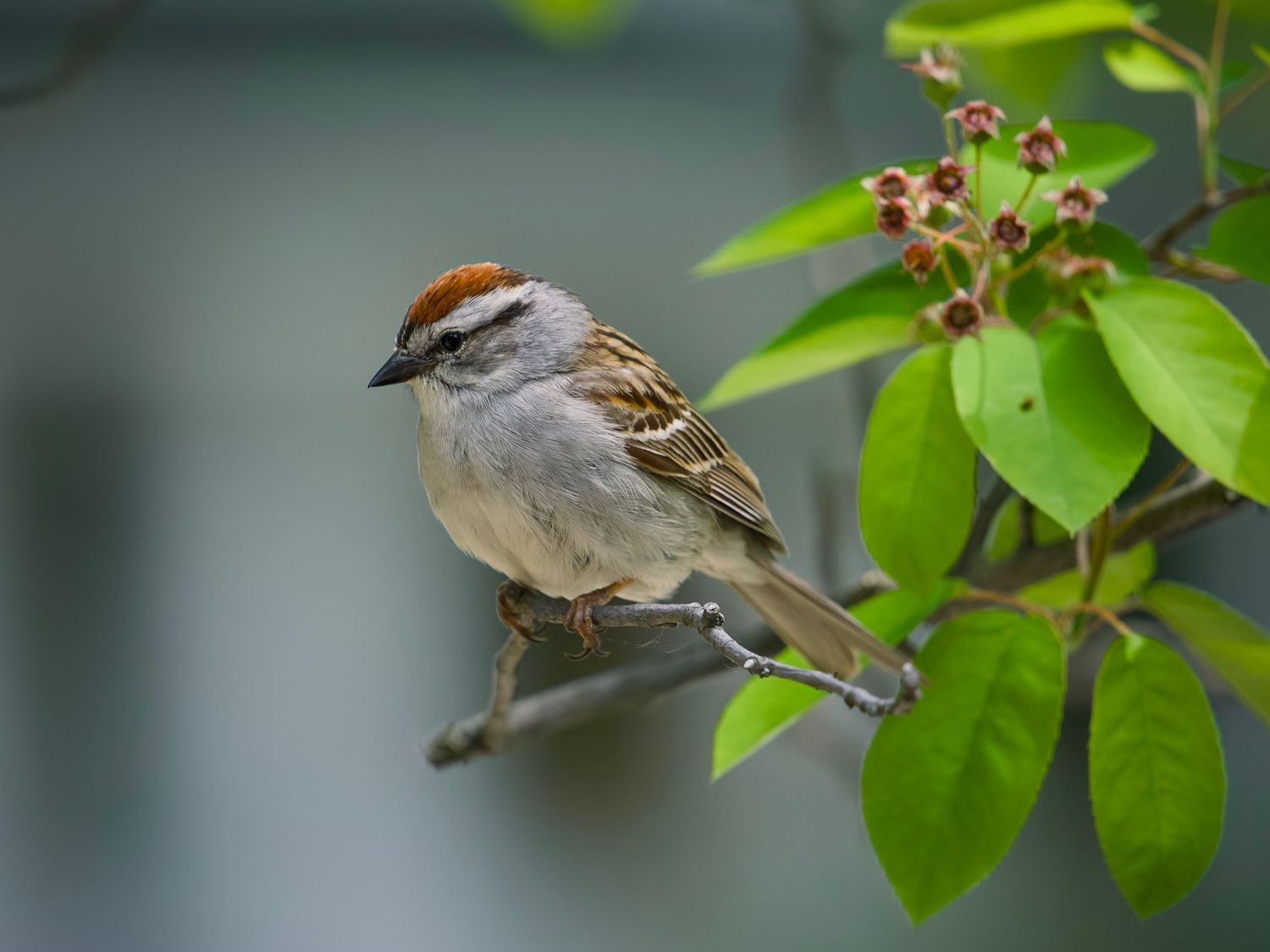
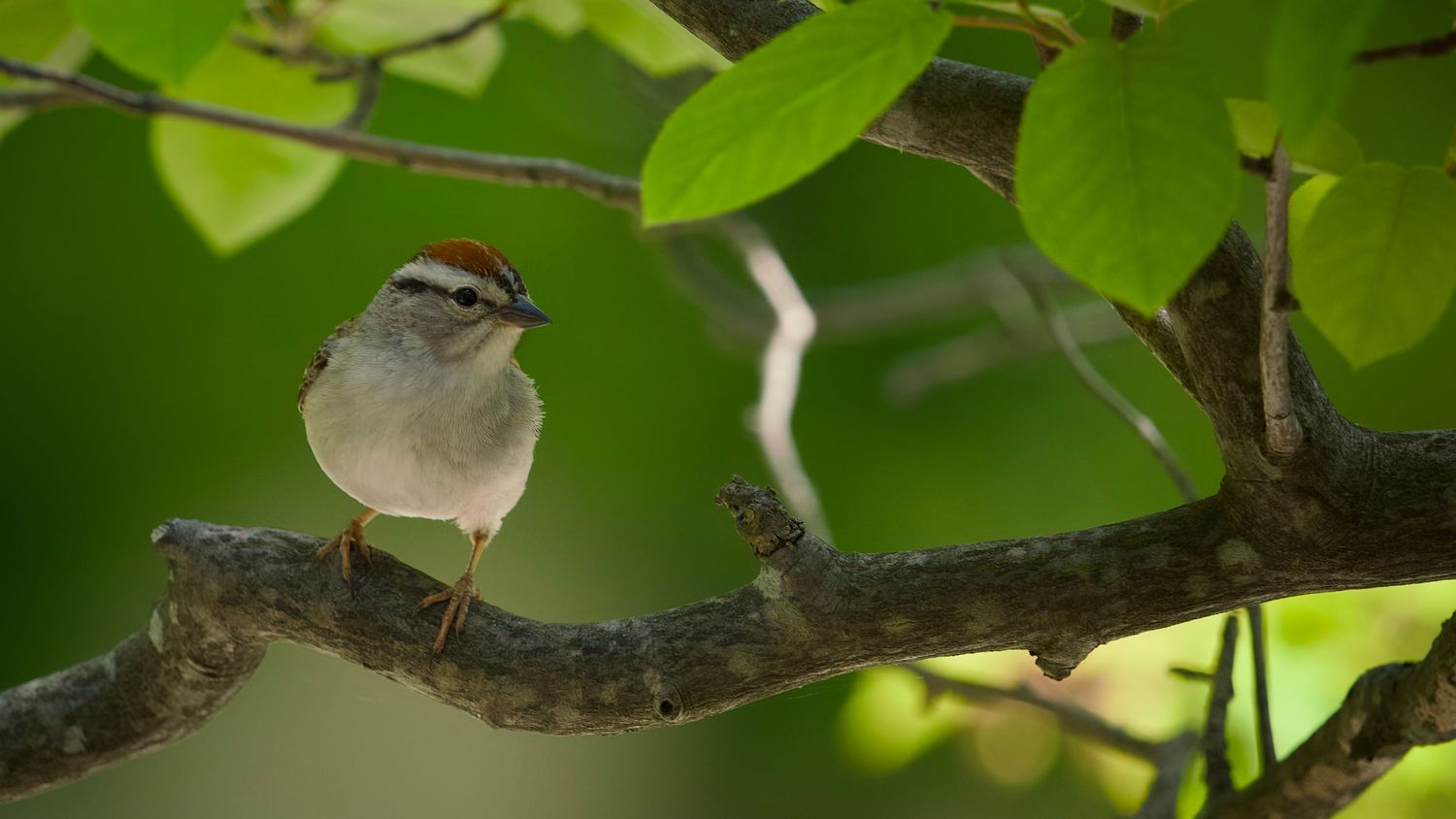
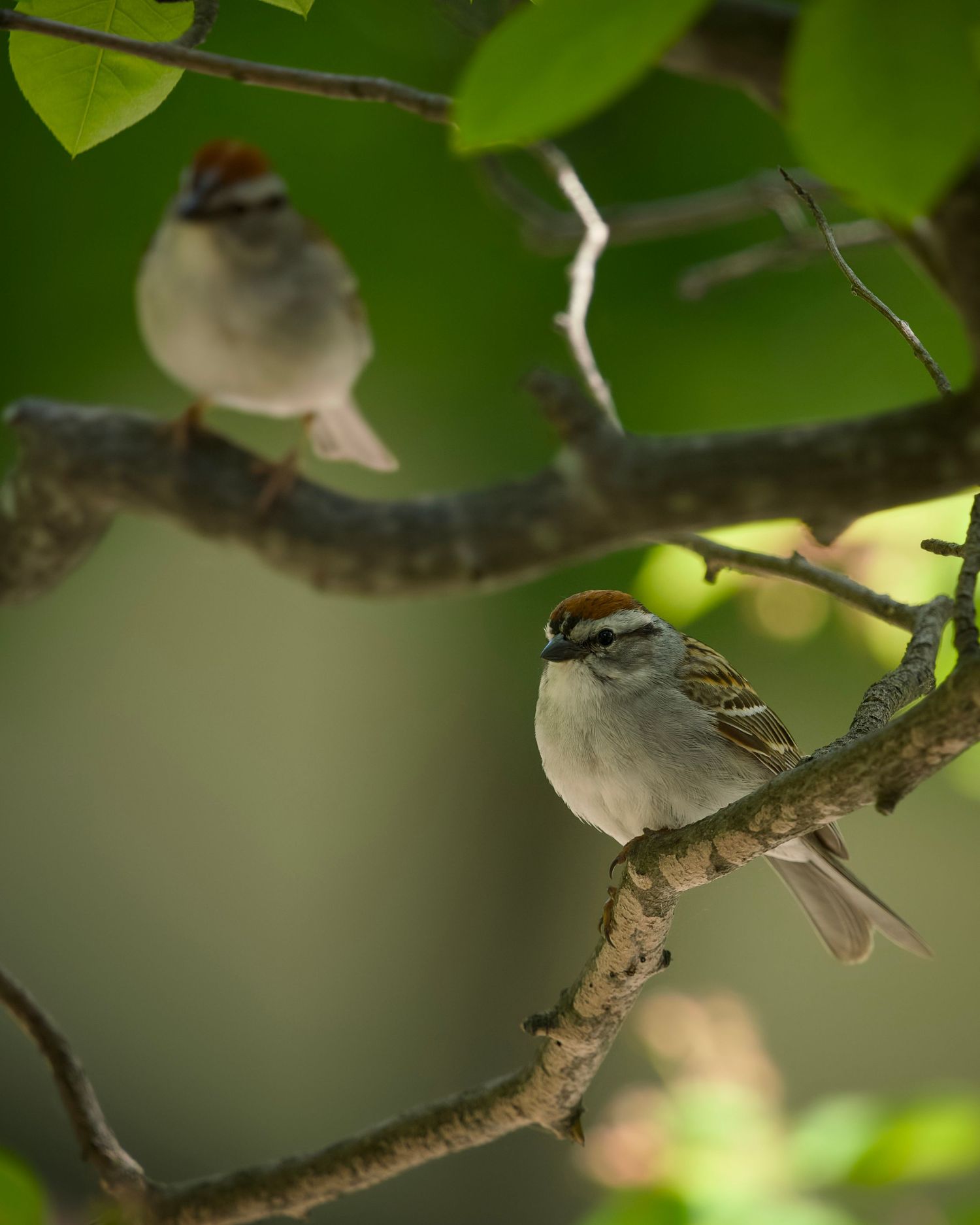
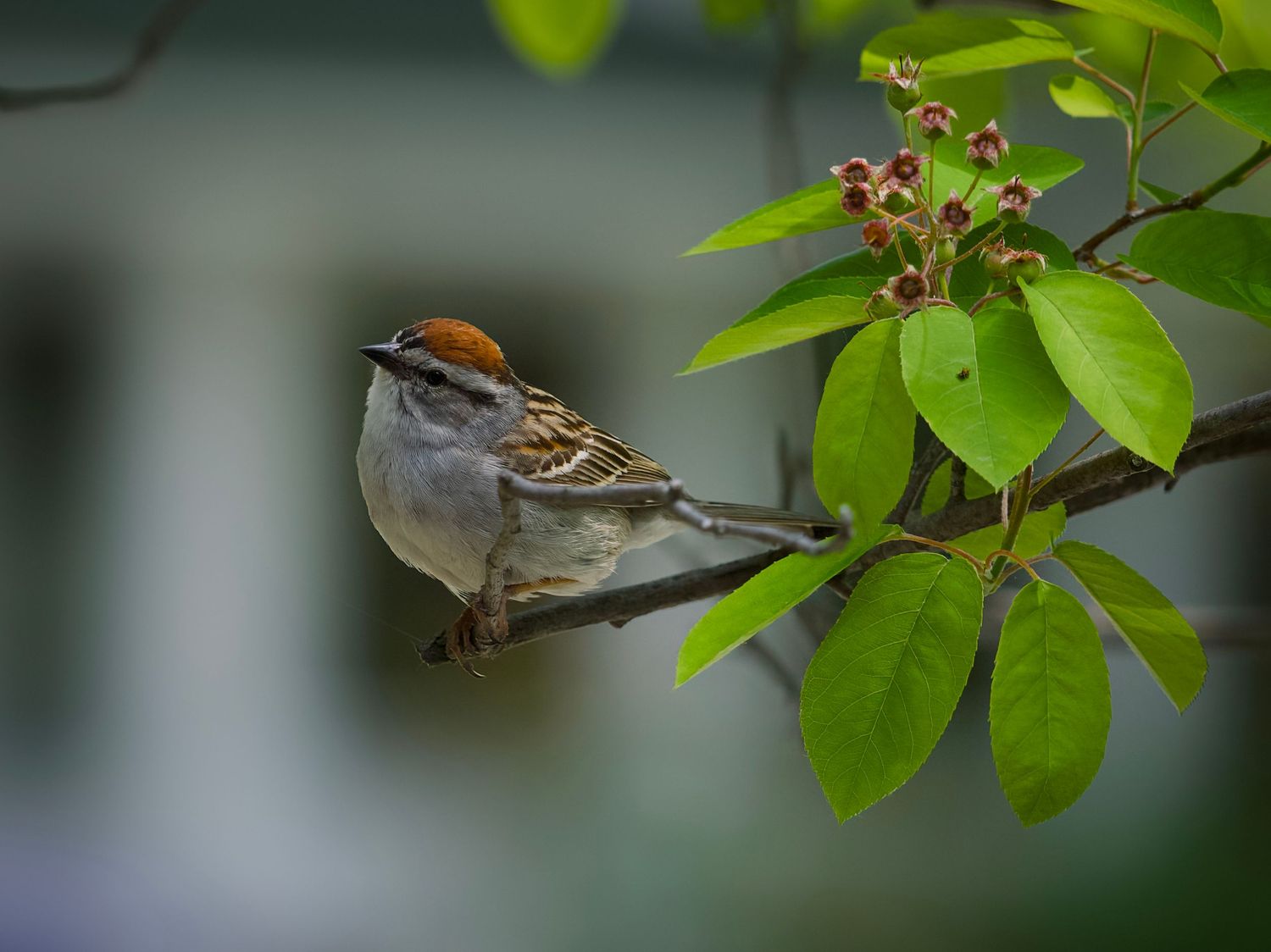
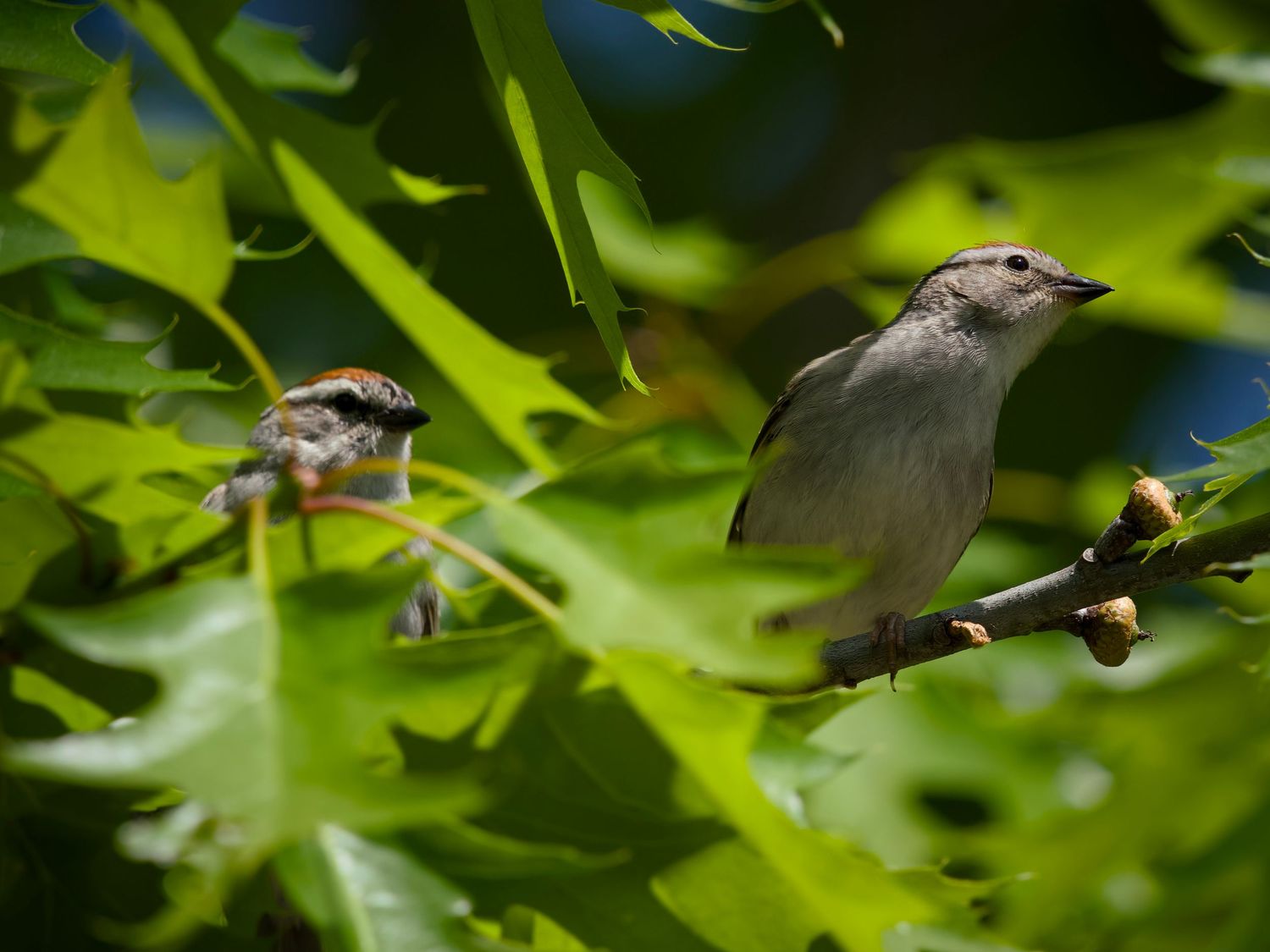
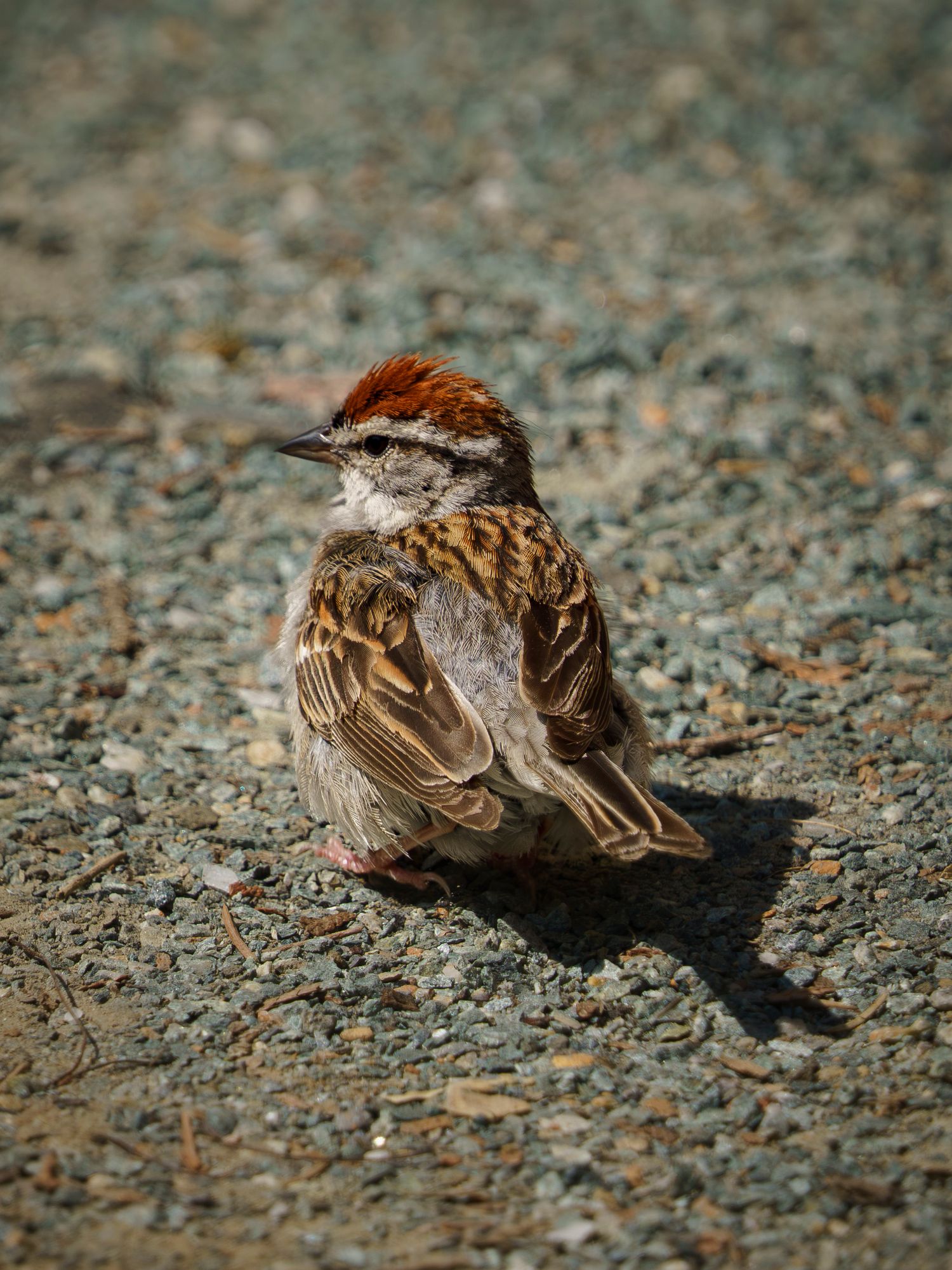
Chipping Sparrow
The Chipping Sparrow (Spizella passerina) is a small, slender, and widespread member of the New World sparrow family, highly recognized in its breeding plumage by a vibrant rufous crown, a crisp white eyebrow, and a distinct black line cutting through the eye. Common across North America, these agile foragers are frequently spotted in open woodlands, parks, gardens, and suburban backyards, where they feed primarily on seeds and insects.
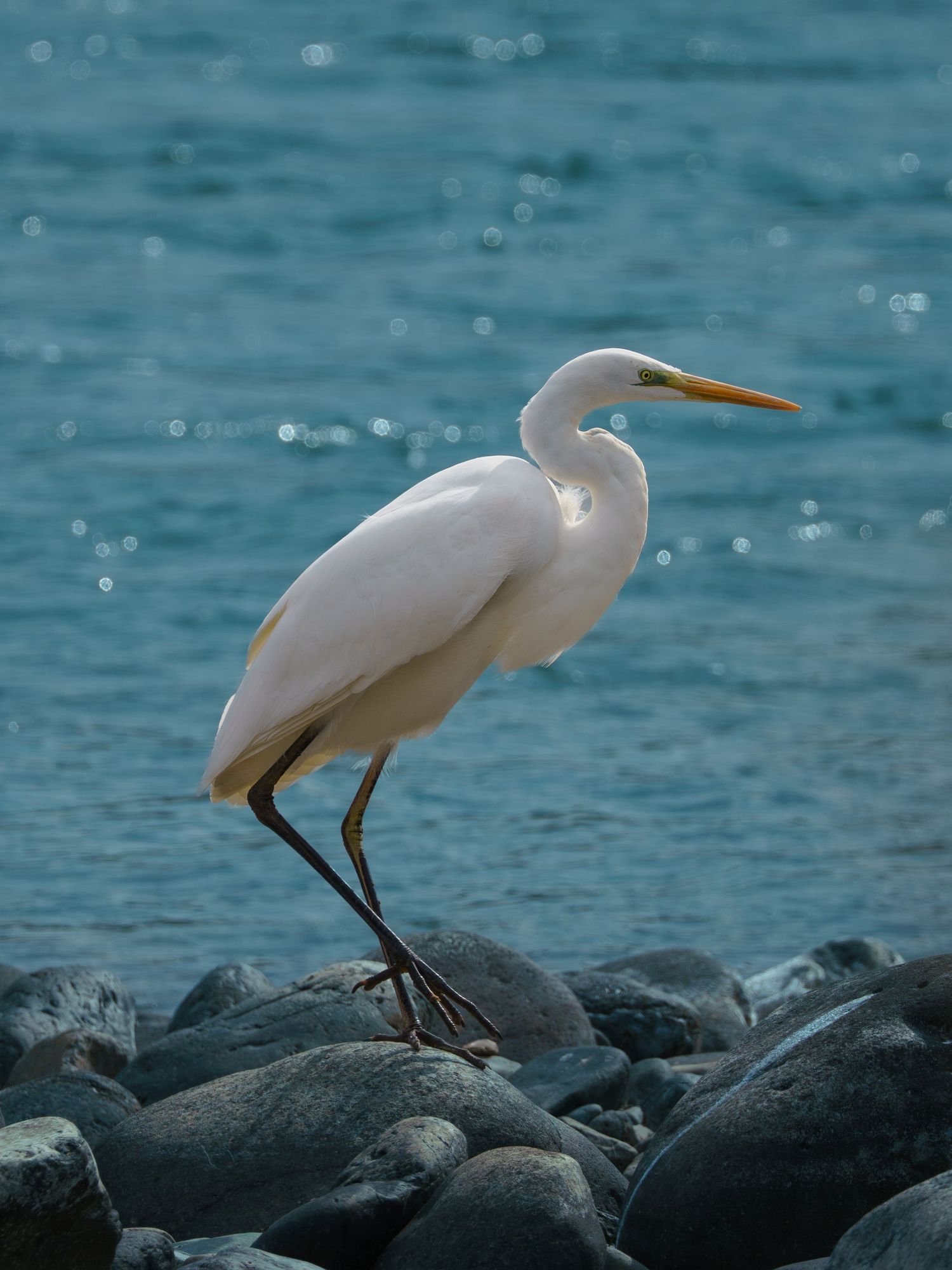
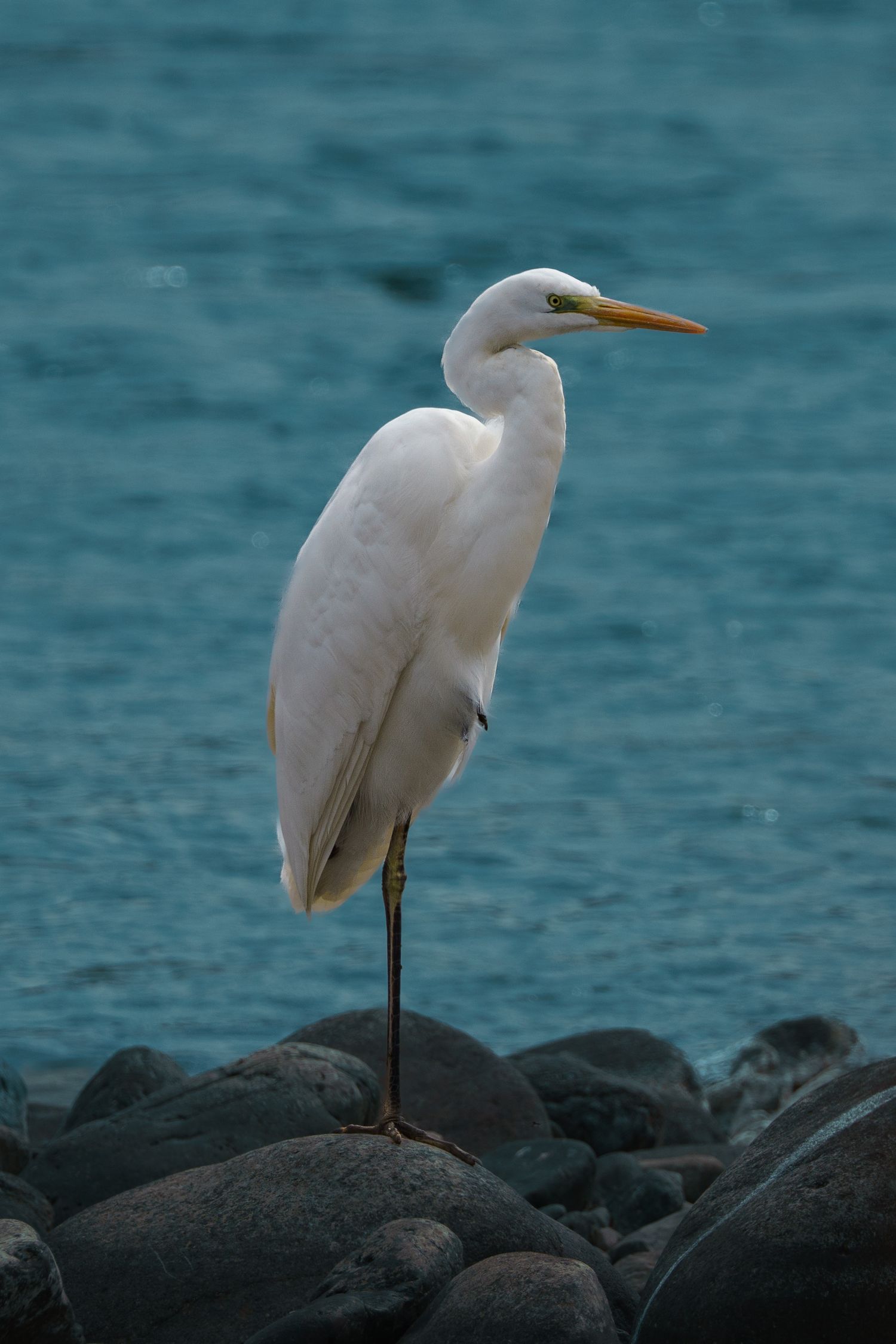
Eastern Great Egret
Hitoyoshi, Kyushu, Japan
The Eastern Great Egret (Ardea alba modesta, or Dai-sagi in Japan) is a large, elegant white wading bird. Known for its methodical "stand-and-wait" hunting style, it primarily inhabits shallow freshwater and estuarine environments, making the river systems and lush basin of Japan’s Kumamoto Prefecture an ideal home. Around the historic castle town of Hitoyoshi, these egrets are frequently spotted along the majestic Kuma River—one of Japan’s three swiftest rivers—and its exceptionally clear tributary, the Kawabe River. Here, they take advantage of the slower-moving shallows, sandbars, and surrounding agricultural rice paddies, wading patiently through the pristine waters to spear sweetfish (ayu), frogs, and small aquatic invertebrates.

Mother Mallard Duck with her 11 ducklings
The female Mallard relies on mottled brown camouflage to safely nest on the ground. While the ducklings feed independently, the hen provides crucial warmth through brooding and fiercely protects them from predators using distraction displays, guarding her brood for roughly two months until they grow flight feathers and achieve independence.
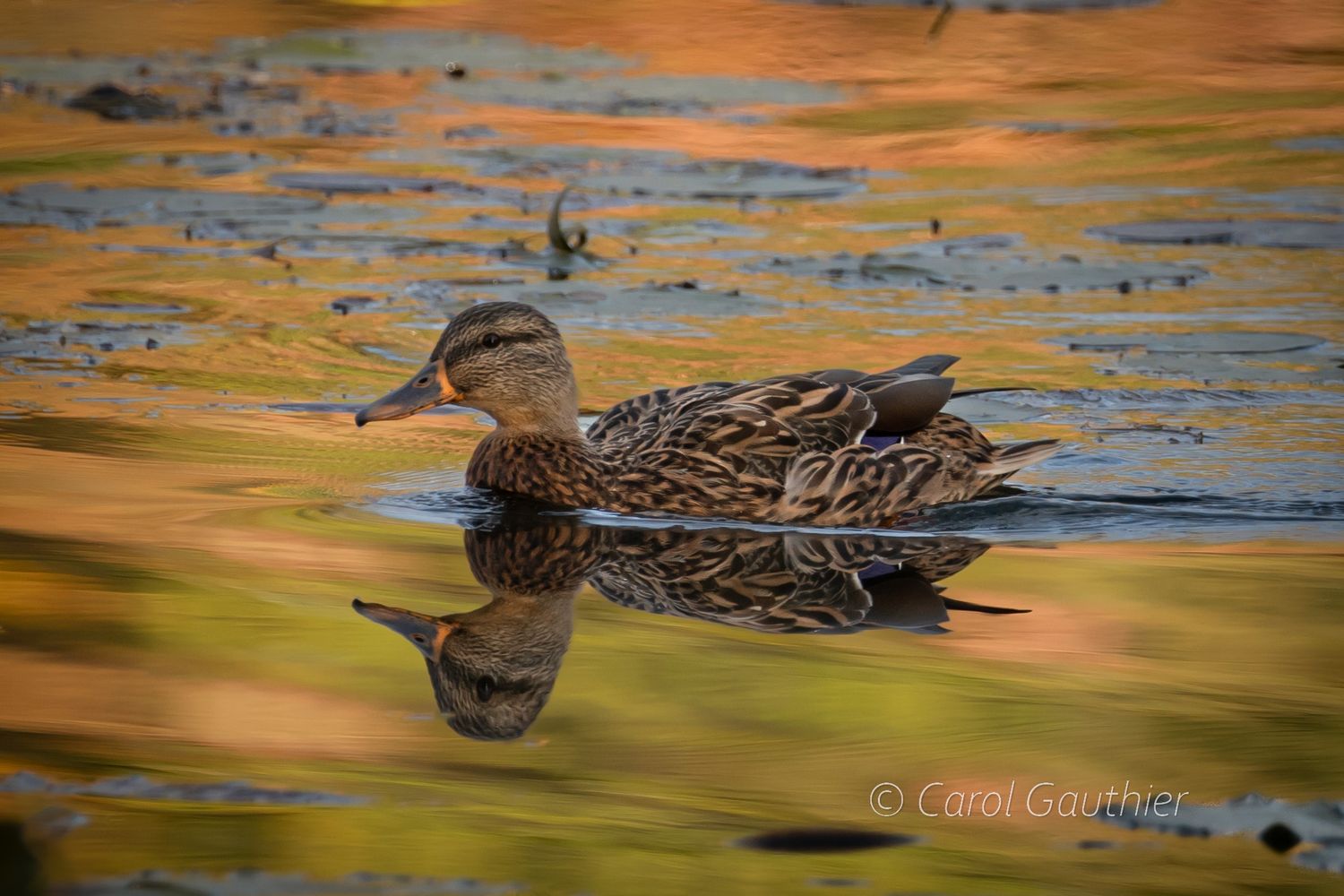
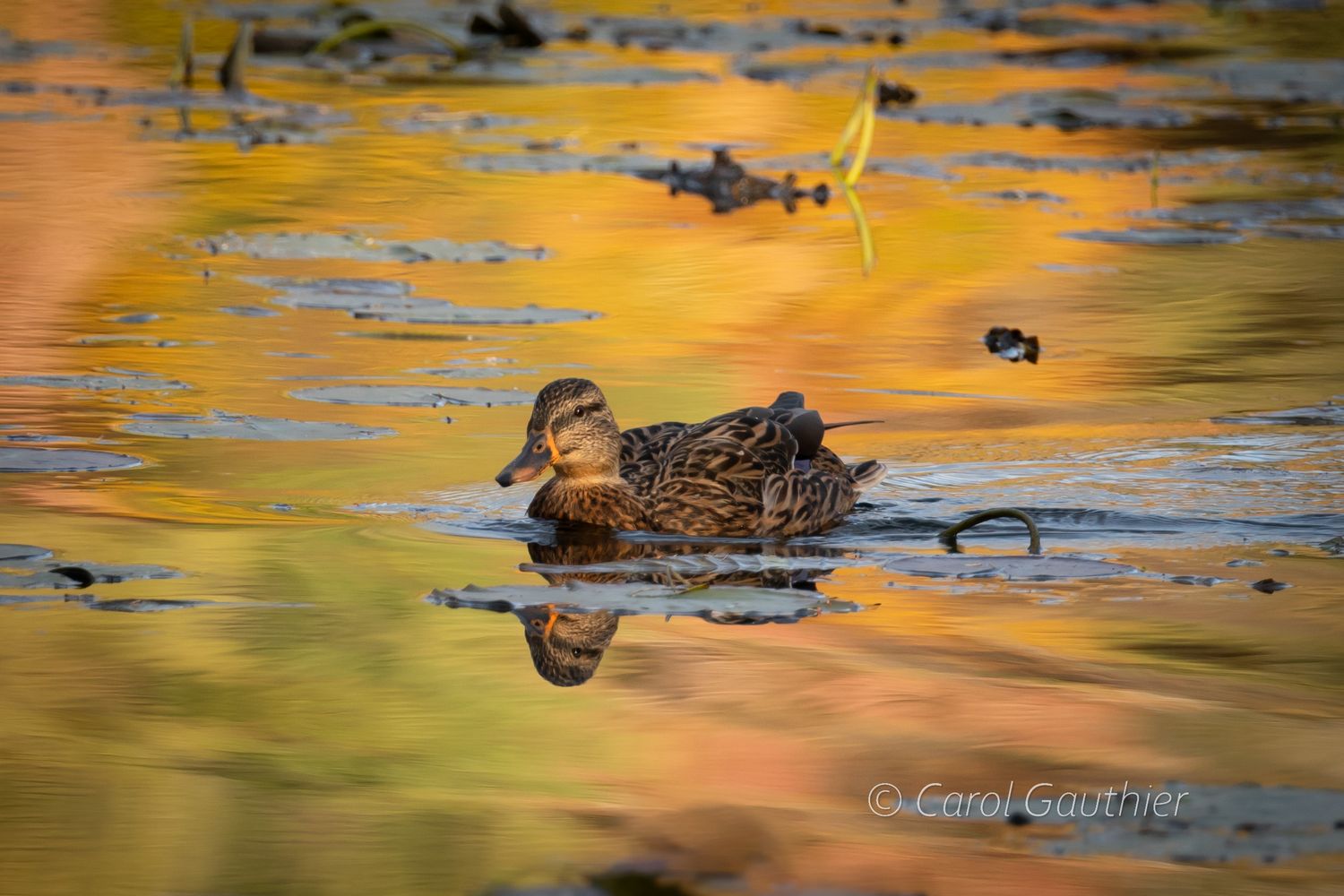
Female Mallard Duck
During the autumn, the female Mallard focuses heavily on survival, feather maintenance, and finding a mate for the upcoming year. After the grueling summer nesting season, she completes a full molt of her flight feathers, leaving her temporarily flightless and highly secretive until her sleek, waterproof winter plumage fully grows in. Unlike most other bird species, Mallards form their seasonal pairs exceptionally early; by mid-to-late autumn, the hen actively evaluates and selects a male during energetic group courtship displays.
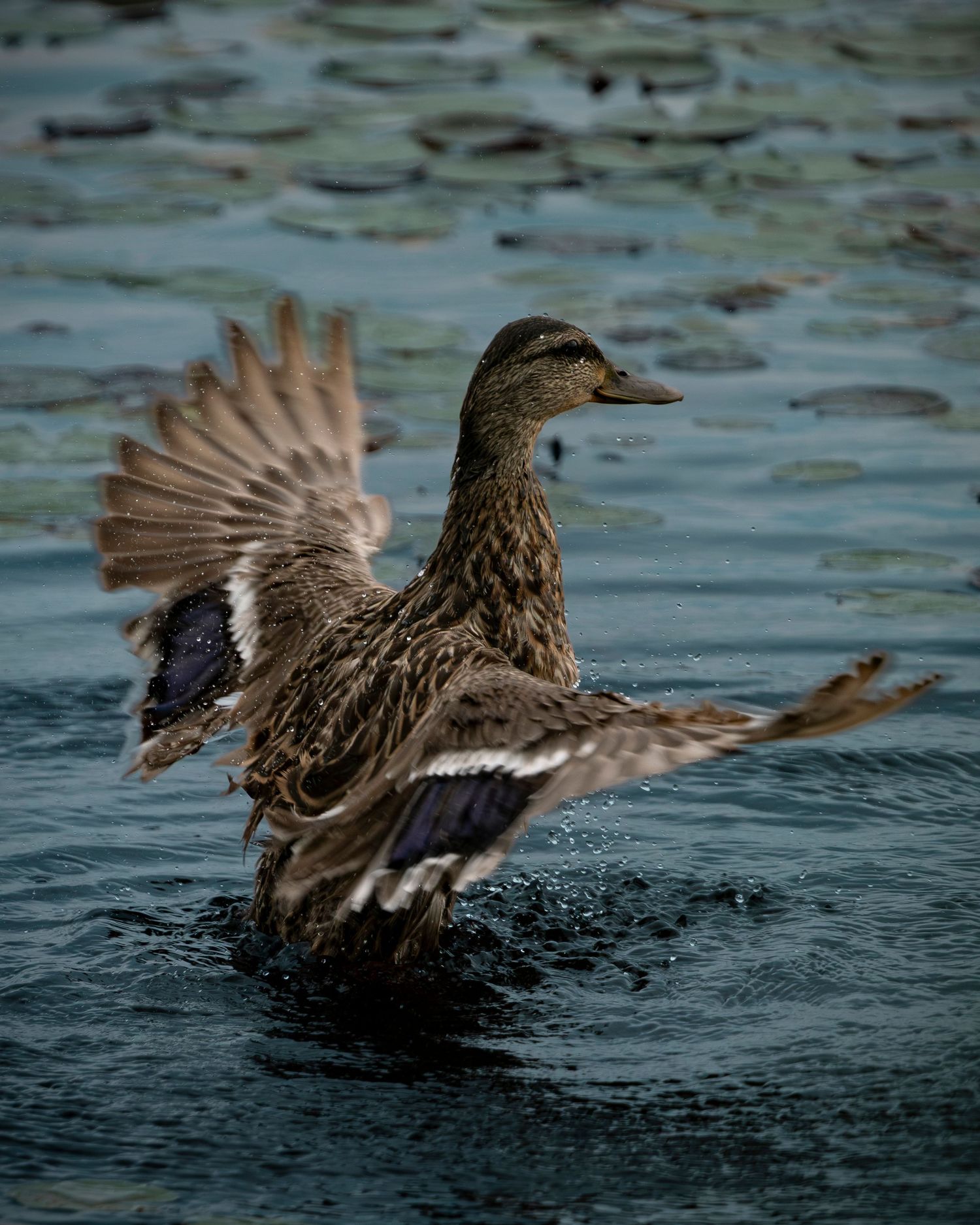
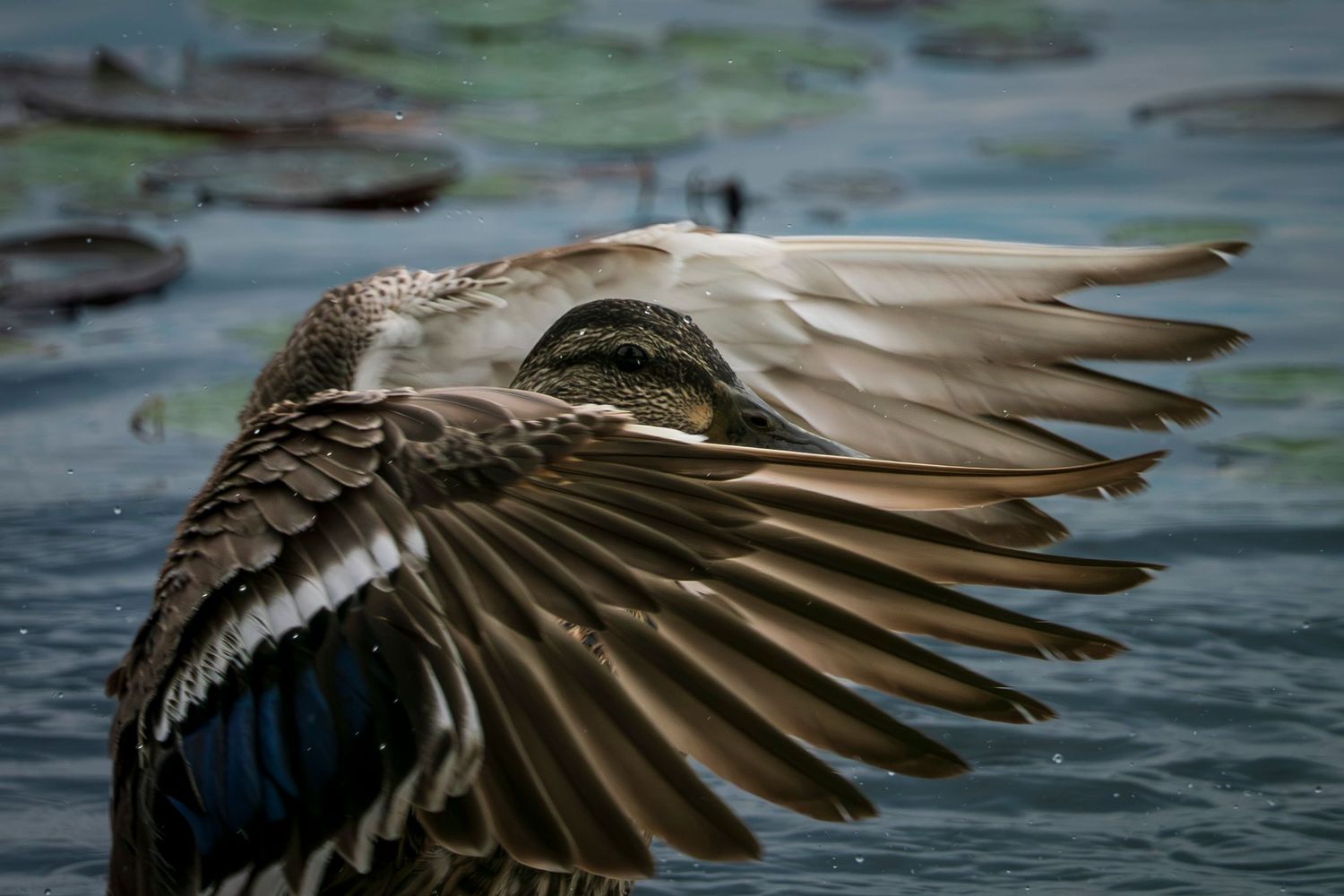
Female Mallard Duck Showering
Iles du Marais, Eastern Townships, Quebec, Canada.
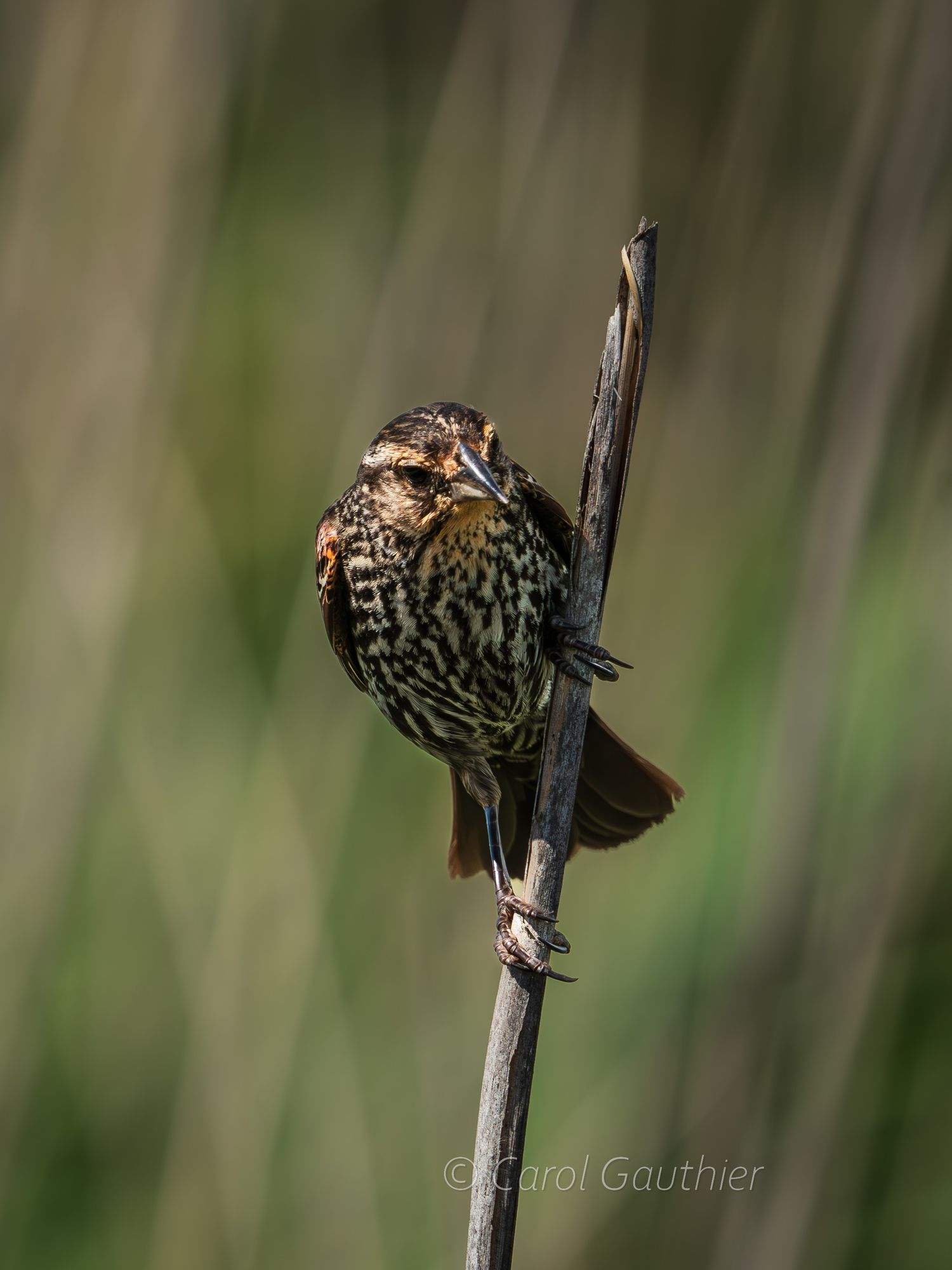
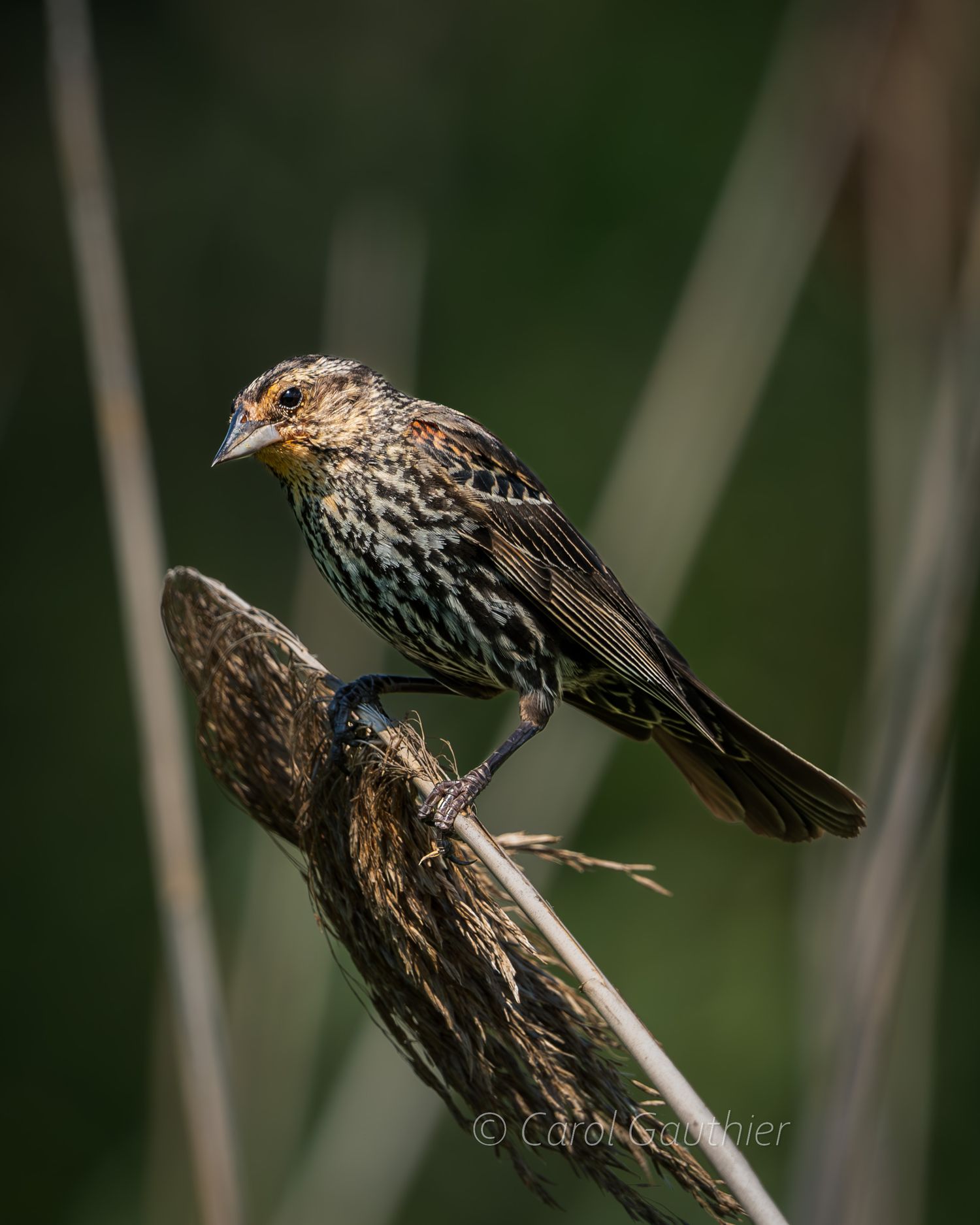
Female Red-winged Blackbird
The Red-winged Blackbird is one of the most abundant and adaptable songbirds in North America, famous for inhabiting freshwater marshes, wetlands, and roadside ditches. Their diet shifts with the seasons, focusing heavily on insects during the summer breeding months before transitioning to seeds and agricultural grains in the fall and winter.
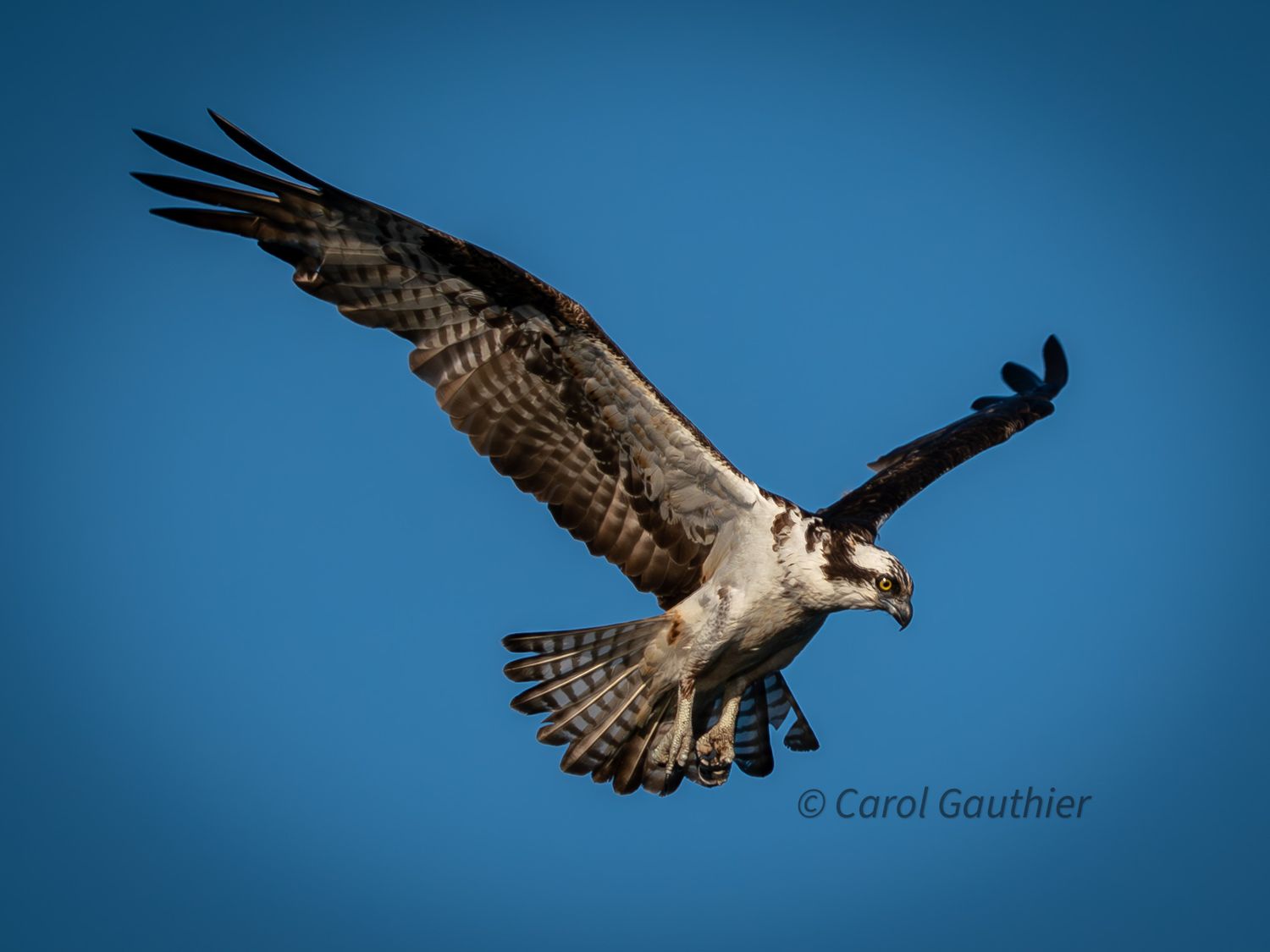
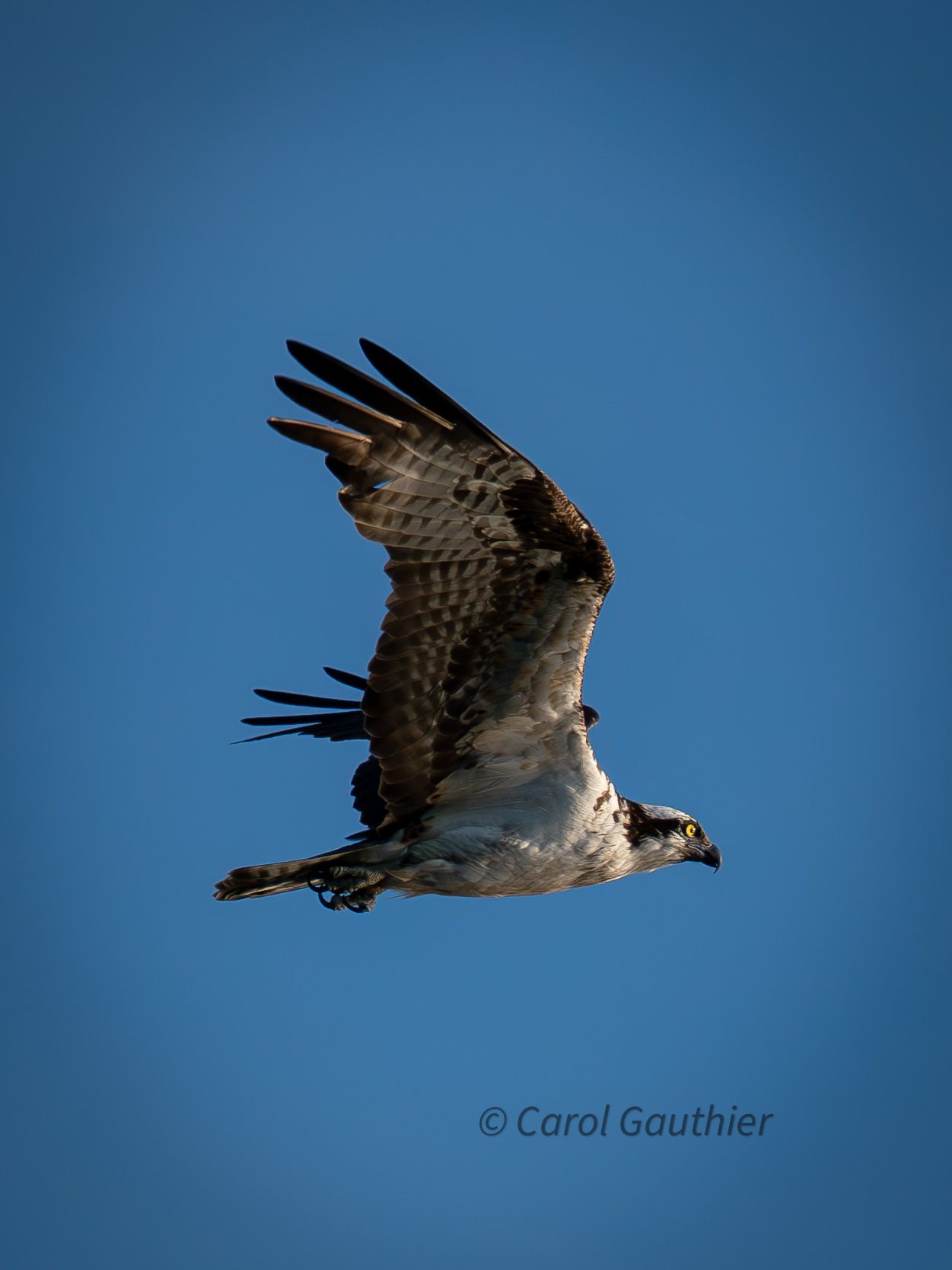
Osprey
The Osprey is a specialized, fish-eating raptor that breeds across nearly every Canadian province and territory, nesting along shallow rivers, lakes, and ocean coasts. Famously featured on the Canadian 10-dollar bill, this master angler has experienced a massive population rebound since the 1970s following pesticide bans and the widespread installation of artificial nesting platforms.
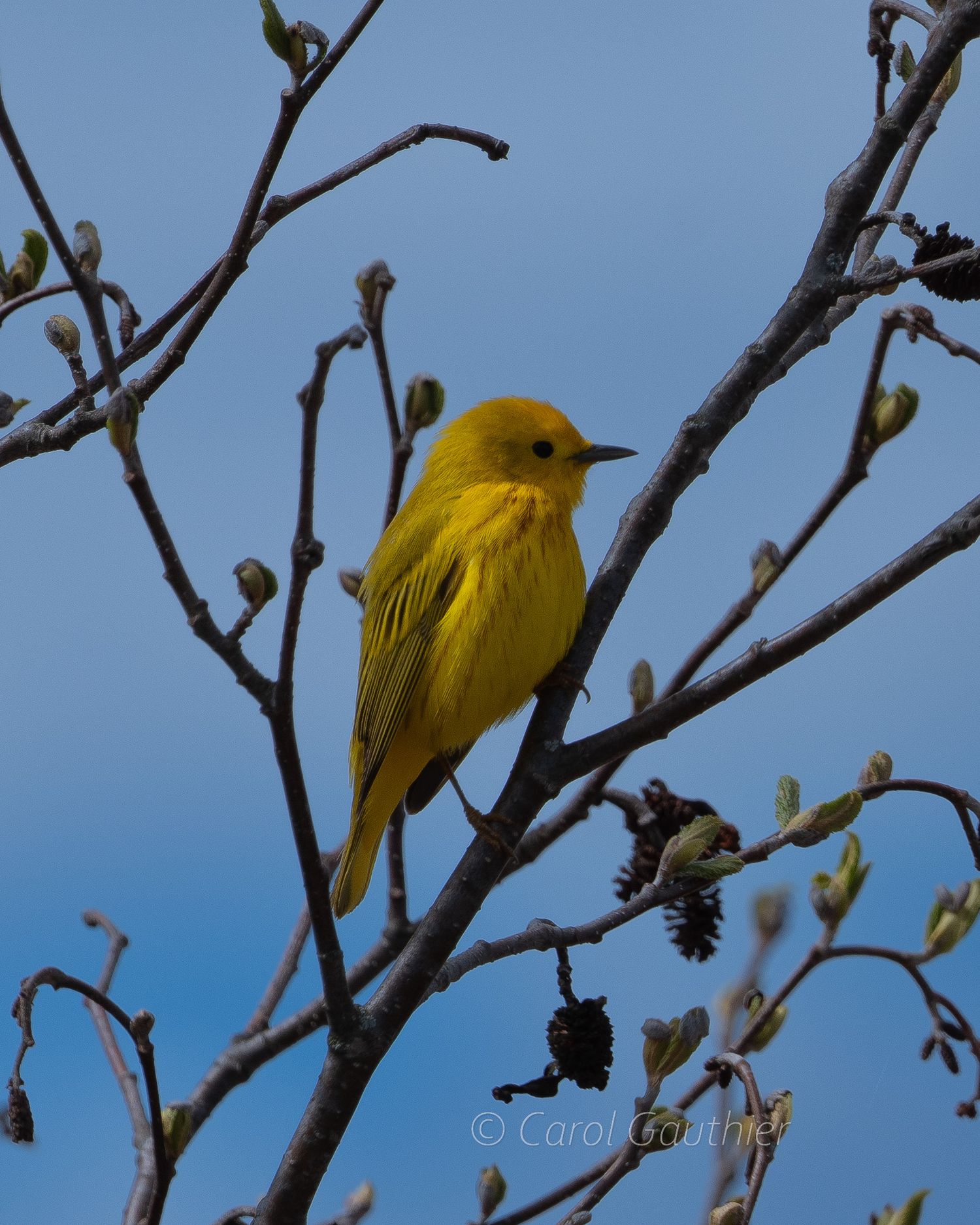
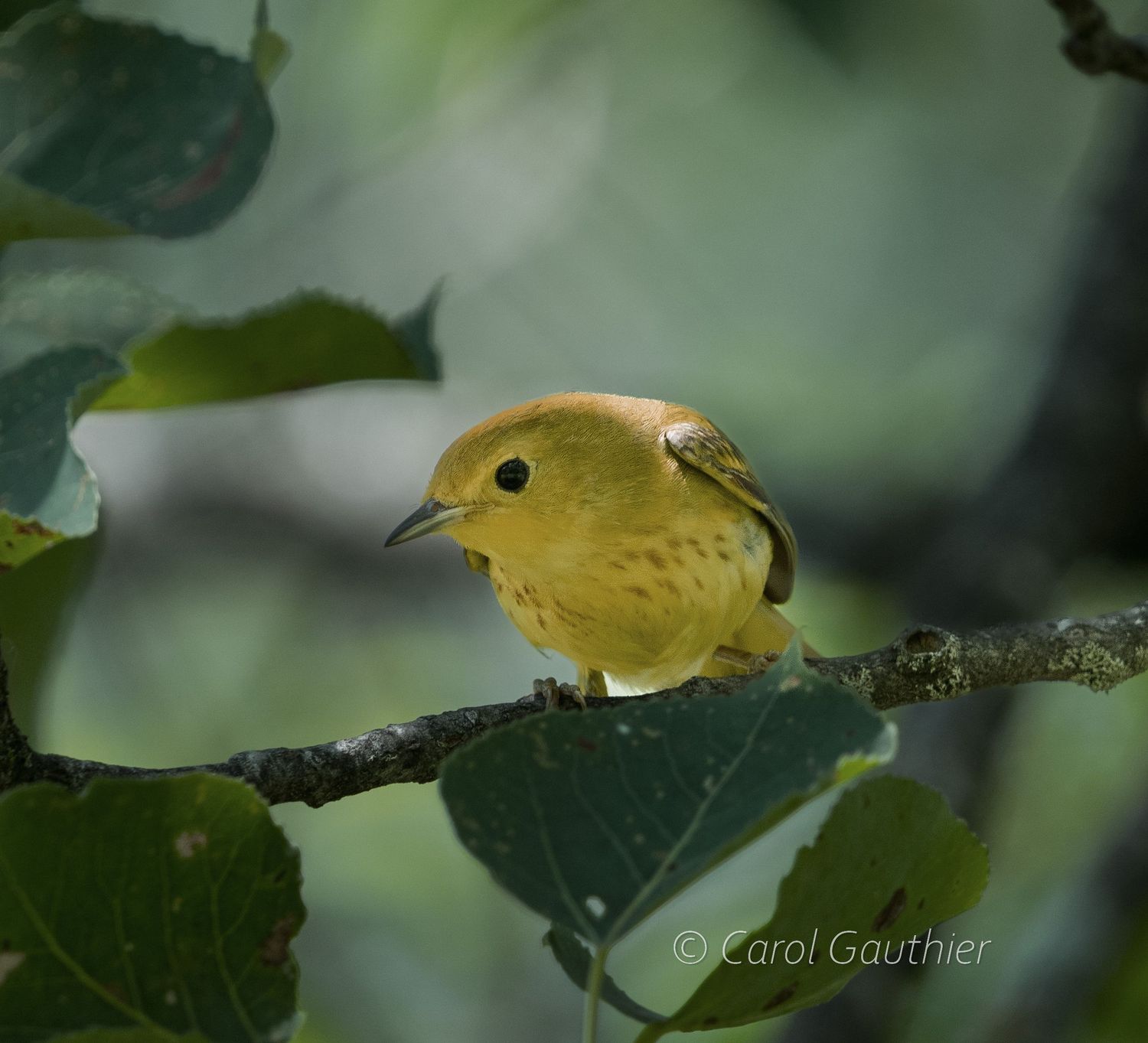
Yellow Warbler
The Yellow Warbler is a bright and uniformly golden songbird that breeds extensively across North America, serving as a classic indicator of healthy wetland and streamside habitats. These small, energetic birds favor damp thickets, willow groves, orchard borders, and secondary growth forests, where they are easily spotted actively flitting through the leaves.
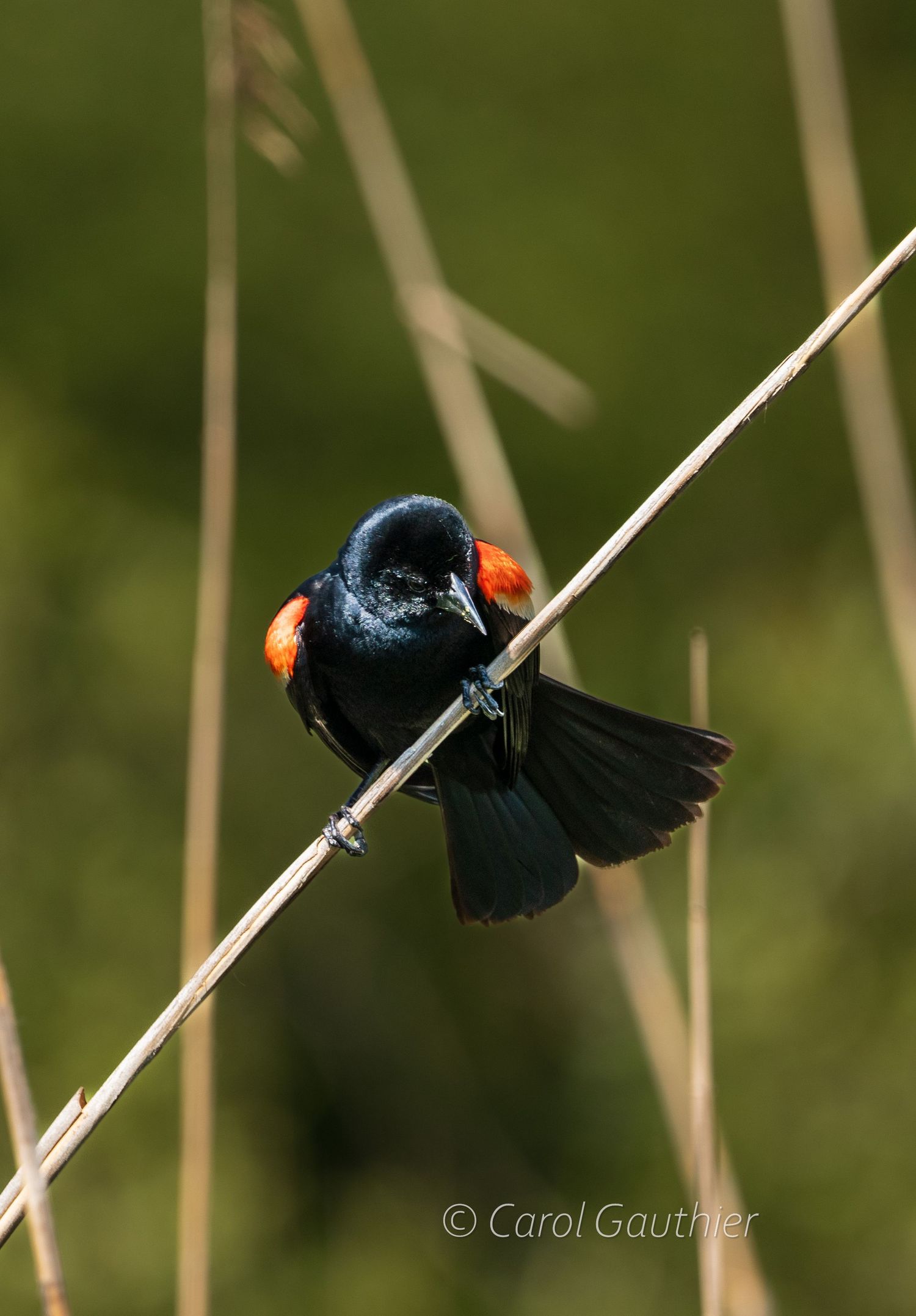
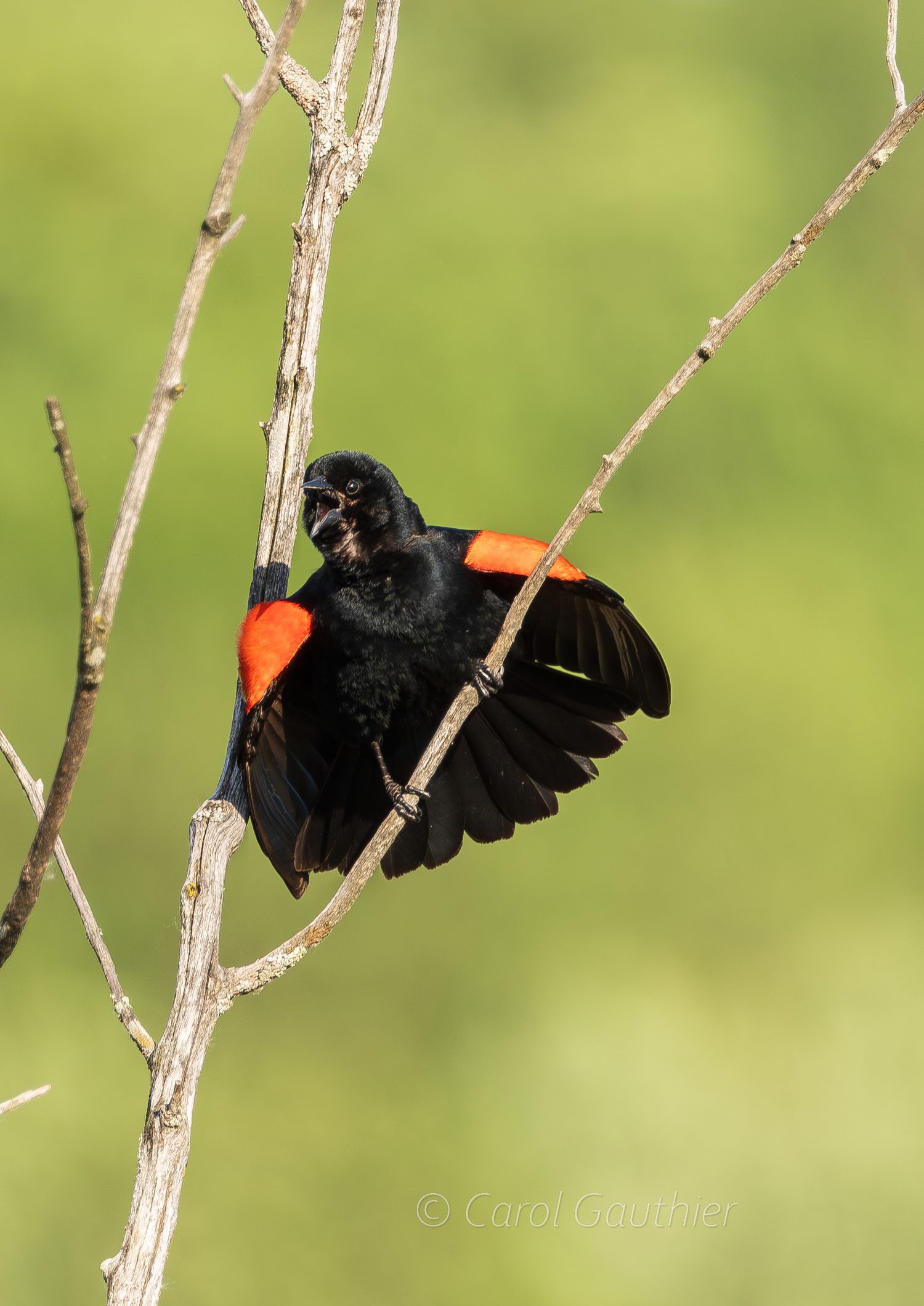
Male Red-winged Blackbird
The Red-winged Blackbird is one of the most abundant and adaptable songbirds in North America, famous for inhabiting freshwater marshes, wetlands, and roadside ditches. Their diet shifts with the seasons, focusing heavily on insects during the summer breeding months before transitioning to seeds and agricultural grains in the fall and winter.
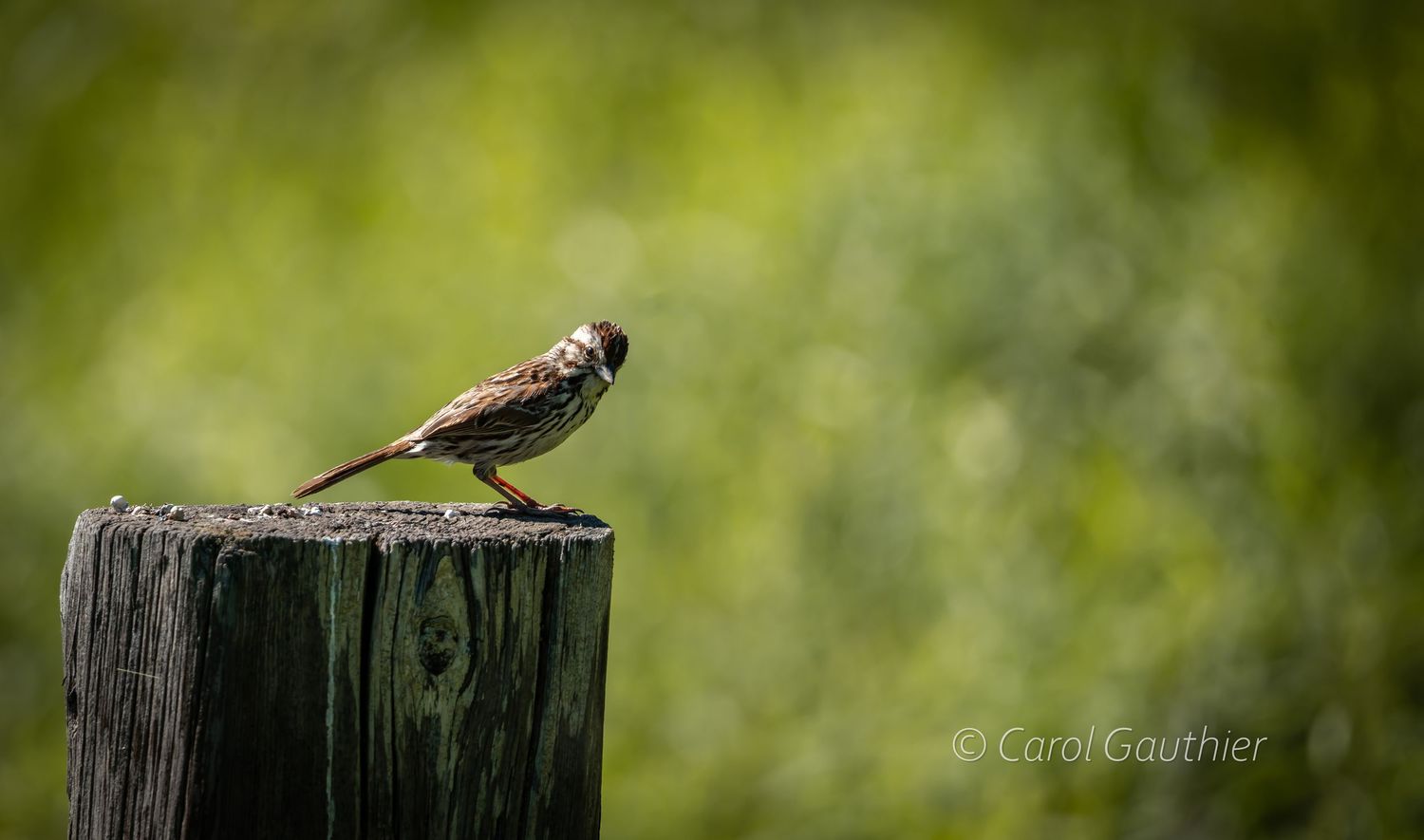
Song sparrow
The Song Sparrow (Melospiza melodia) is one of the most abundant, widespread, and variation-rich native sparrows in North America. Known for its highly vocal nature, it is a frequent visitor to brushy fields, backyards, and marsh edges. True to its name, the male possesses a loud, crisp, and complex song that usually begins with two or three sharp, clear notes followed by a varied trill.
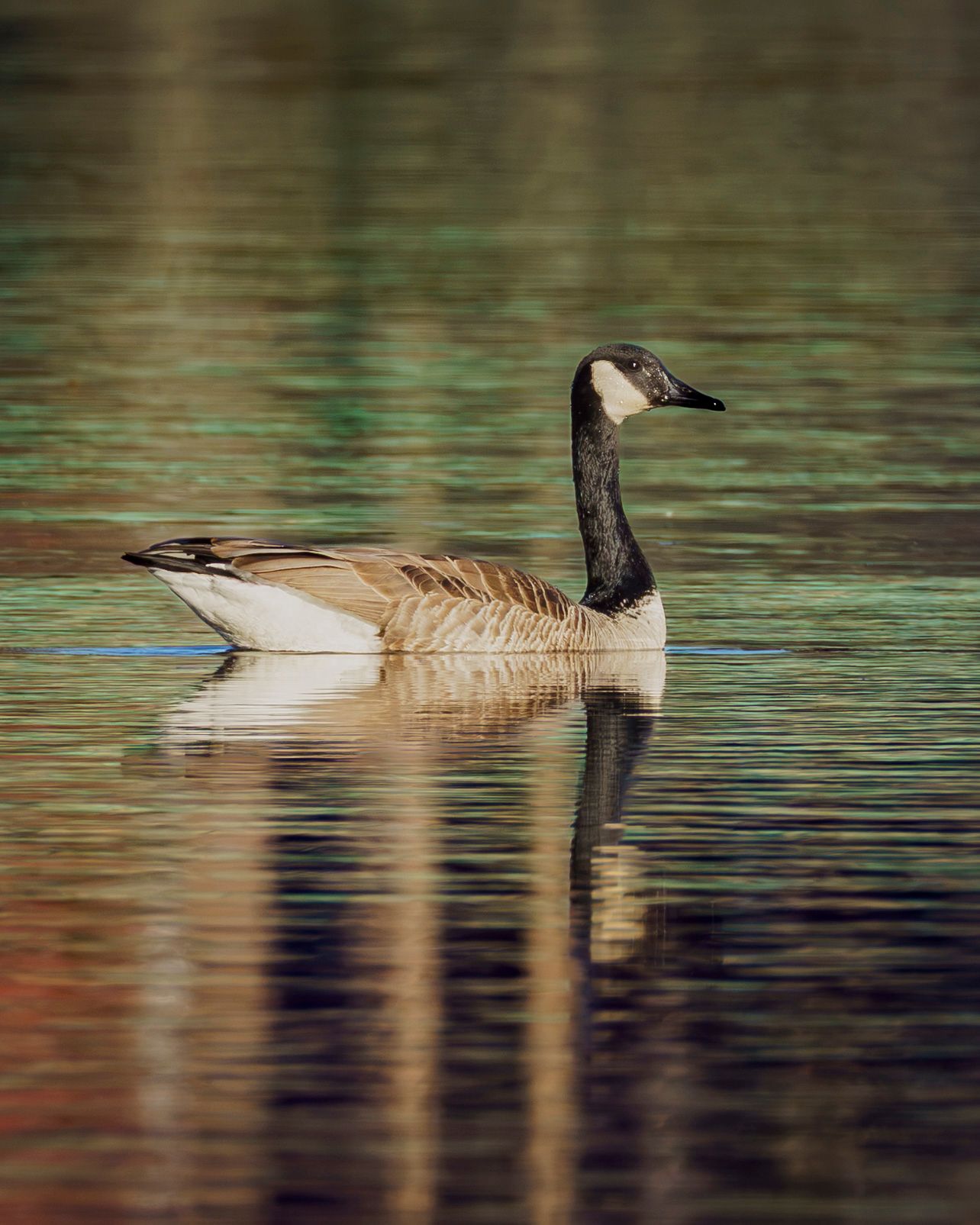
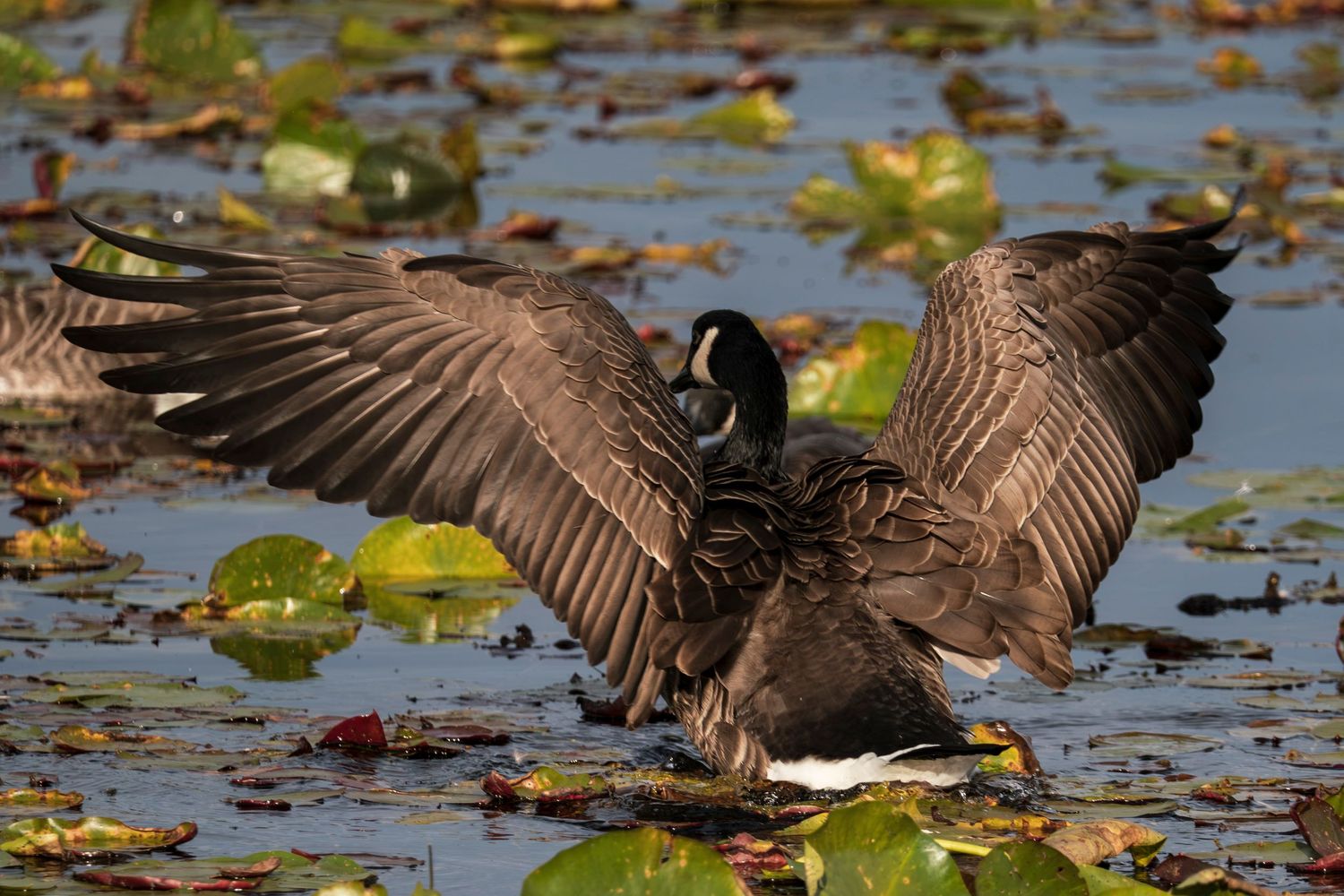
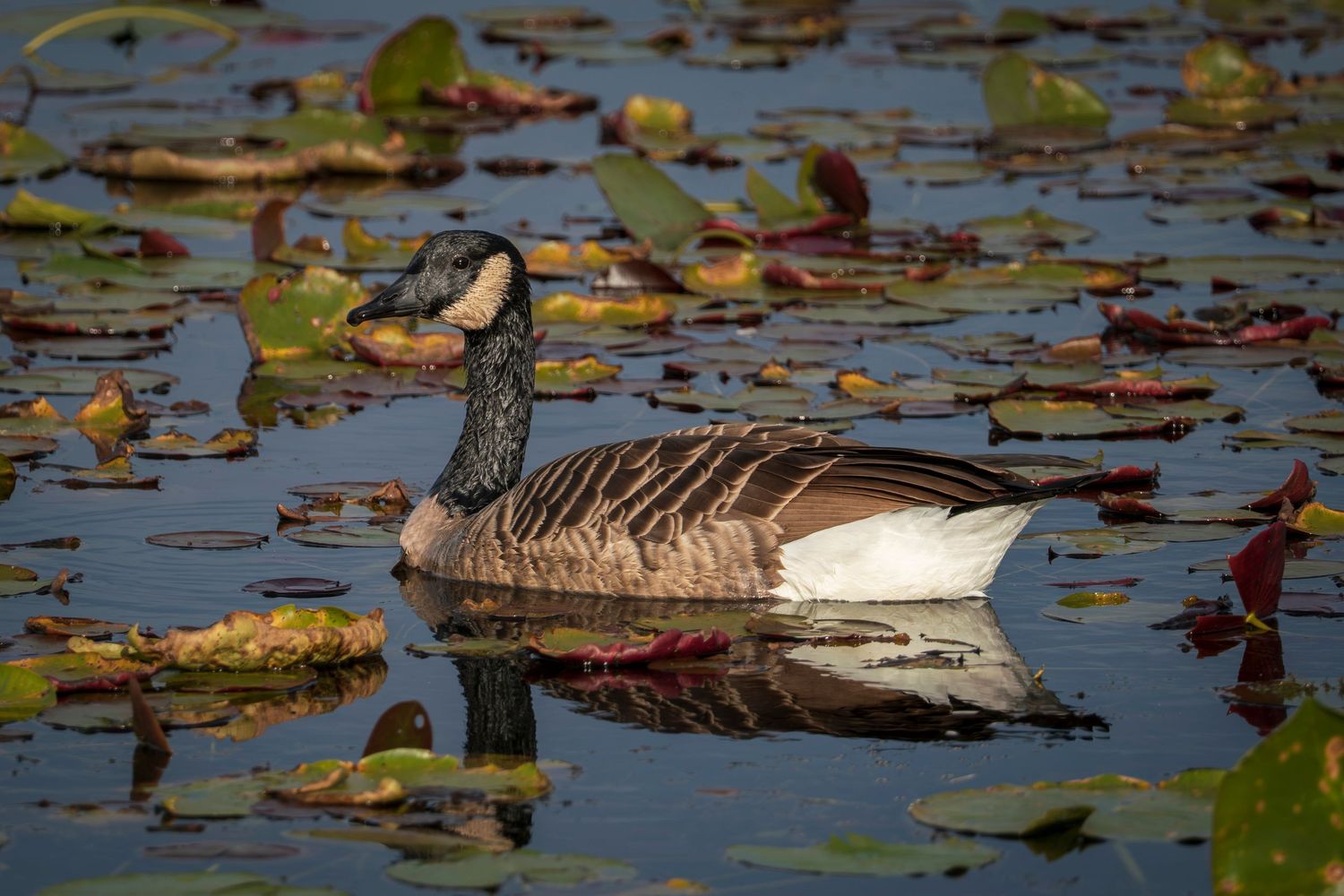
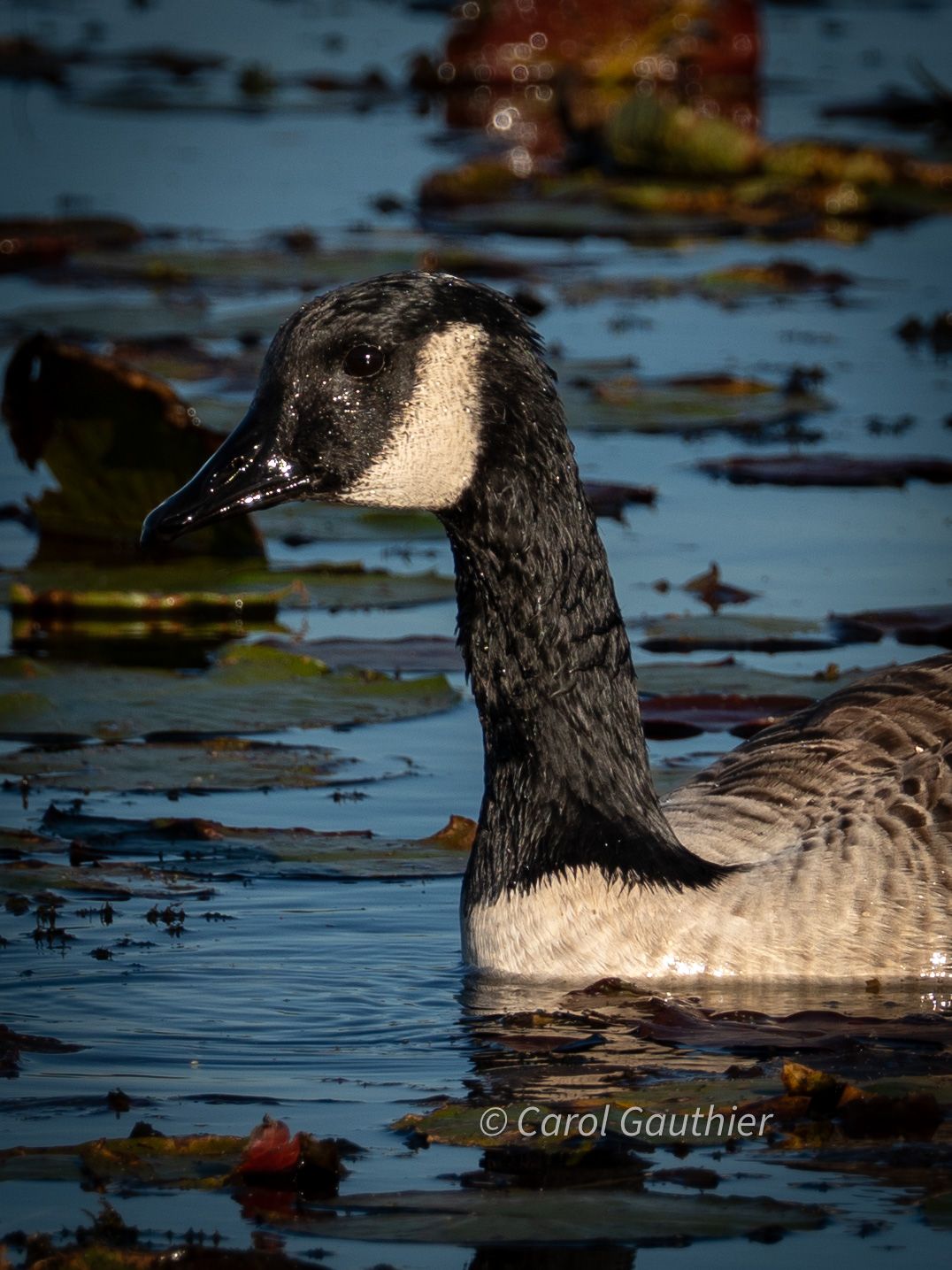
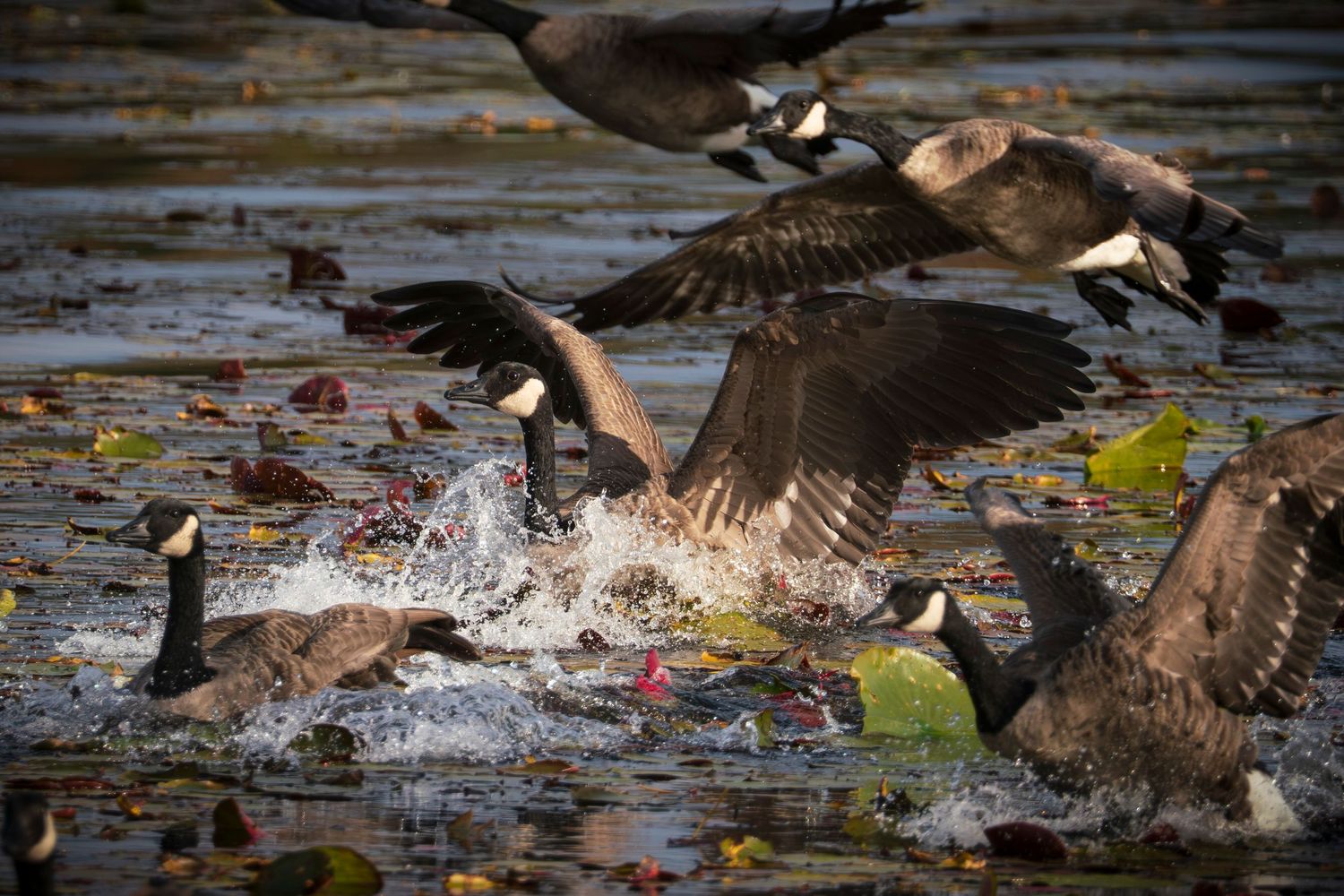
Canada Goose
The very common Canada Goose in Eastern Townships, Quebec, Canada. The Canada Goose is renowned for flying in iconic V-shaped formations during seasonal migrations, this highly social bird thrives near lakes, rivers, marshes, and urban green spaces. It feeds primarily on grasses, aquatic plants, and grains, often foraging in open fields. Males and females pair for life, fiercely defending their nest sites and young with loud honks and assertive displays. Their booming populations across cities and parks make them one of the most familiar and resilient bird species on the North American continent.